
Most homeowners don’t think much about their septic system until something smells strange, drains slow down, or the shower starts making noises that raise eyebrows. Septic tank pumping is one of those services everyone knows they should get, but few genuinely understand. If you’ve ever wondered what actually happens during the process, this guide breaks it down clearly and simply, no complicated jargon, no guesswork.
Whether you’re a brand-new homeowner or someone with years of experience living on a septic system, understanding how pumping works helps you protect your home, avoid expensive repairs, and stay ahead of bigger issues. And if you live in or around Brighton, MI, where septic systems are essential for many homes, staying on top of maintenance, including septic tank pumping Brighton MI providers offer, becomes even more important.
What is the Process of Pumping a Septic Tank?
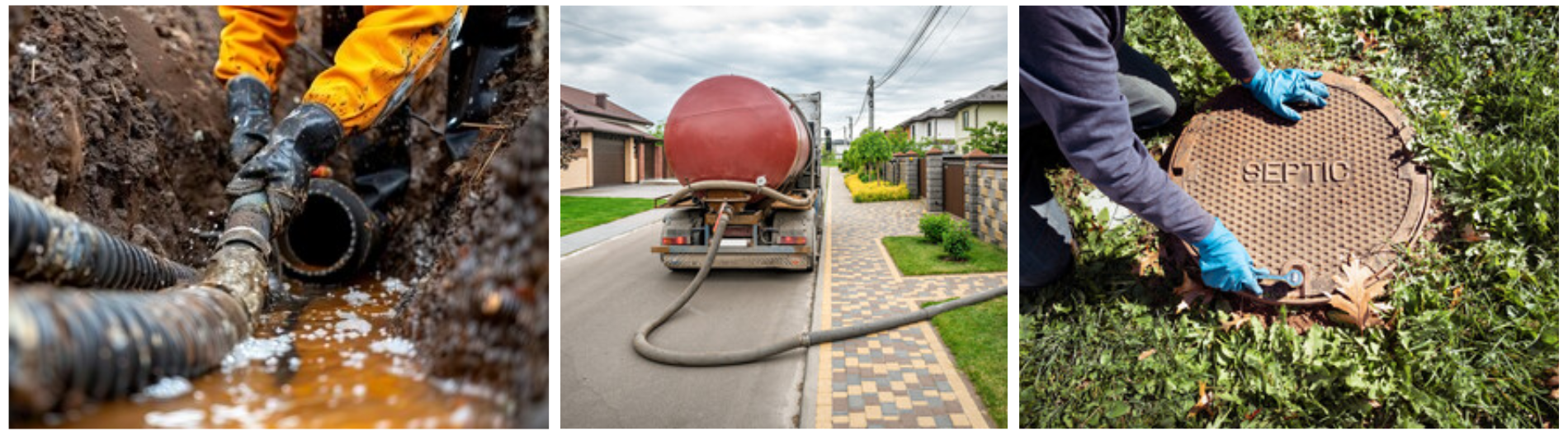
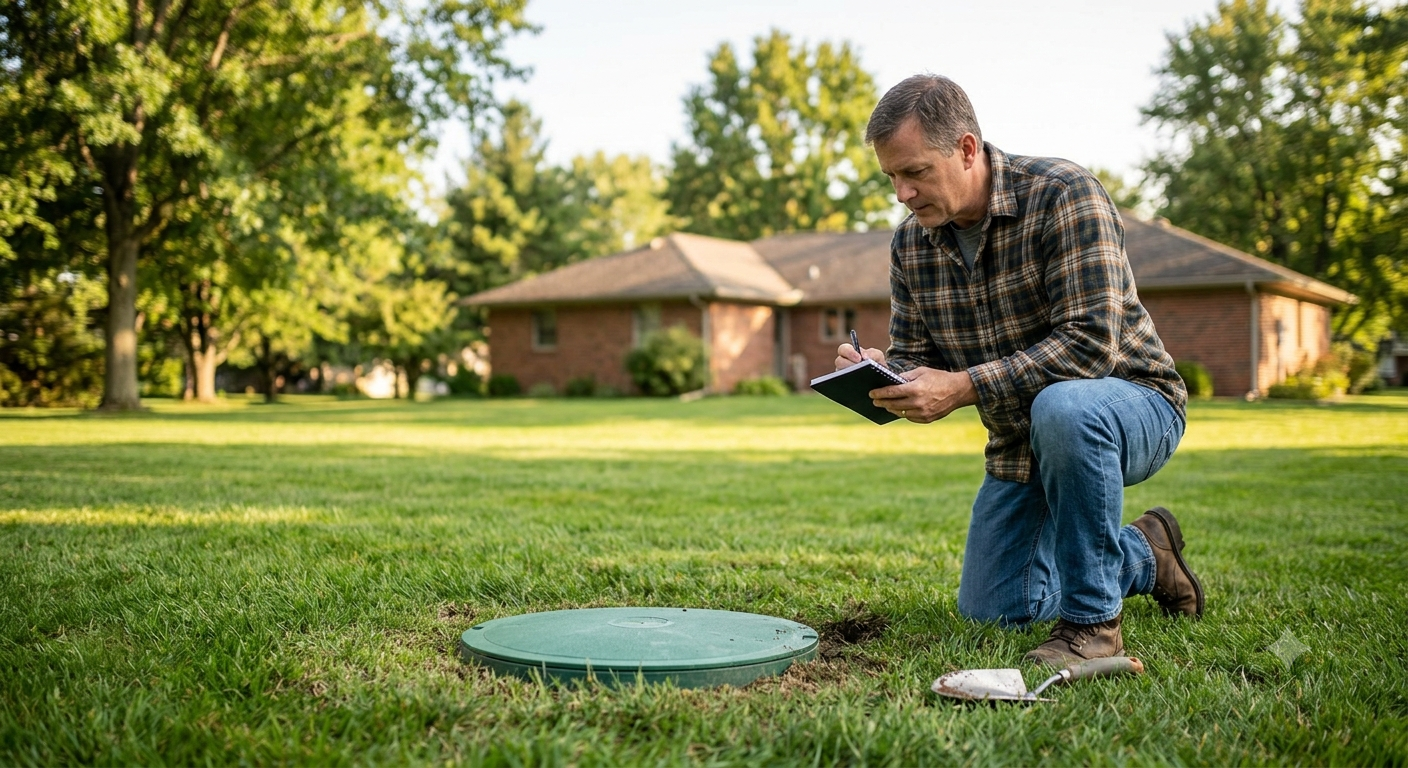
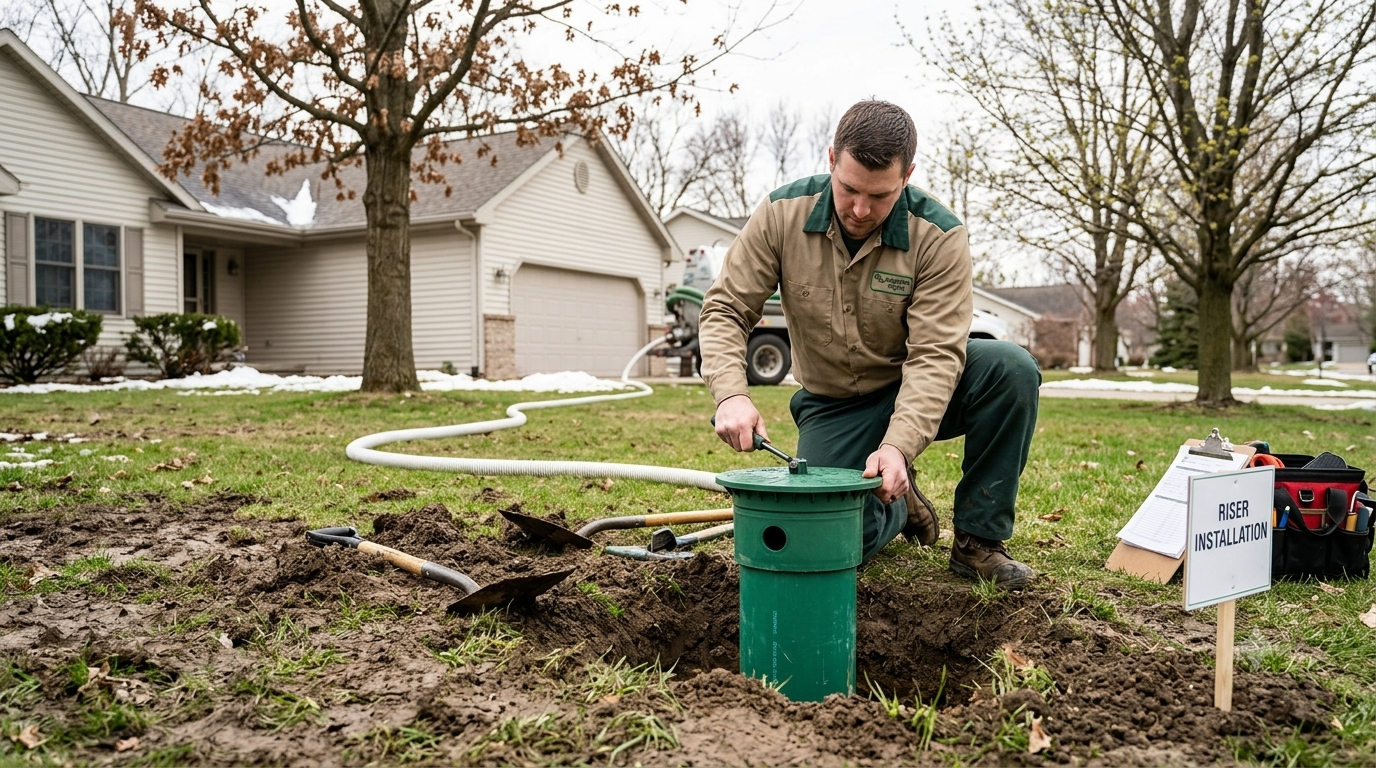
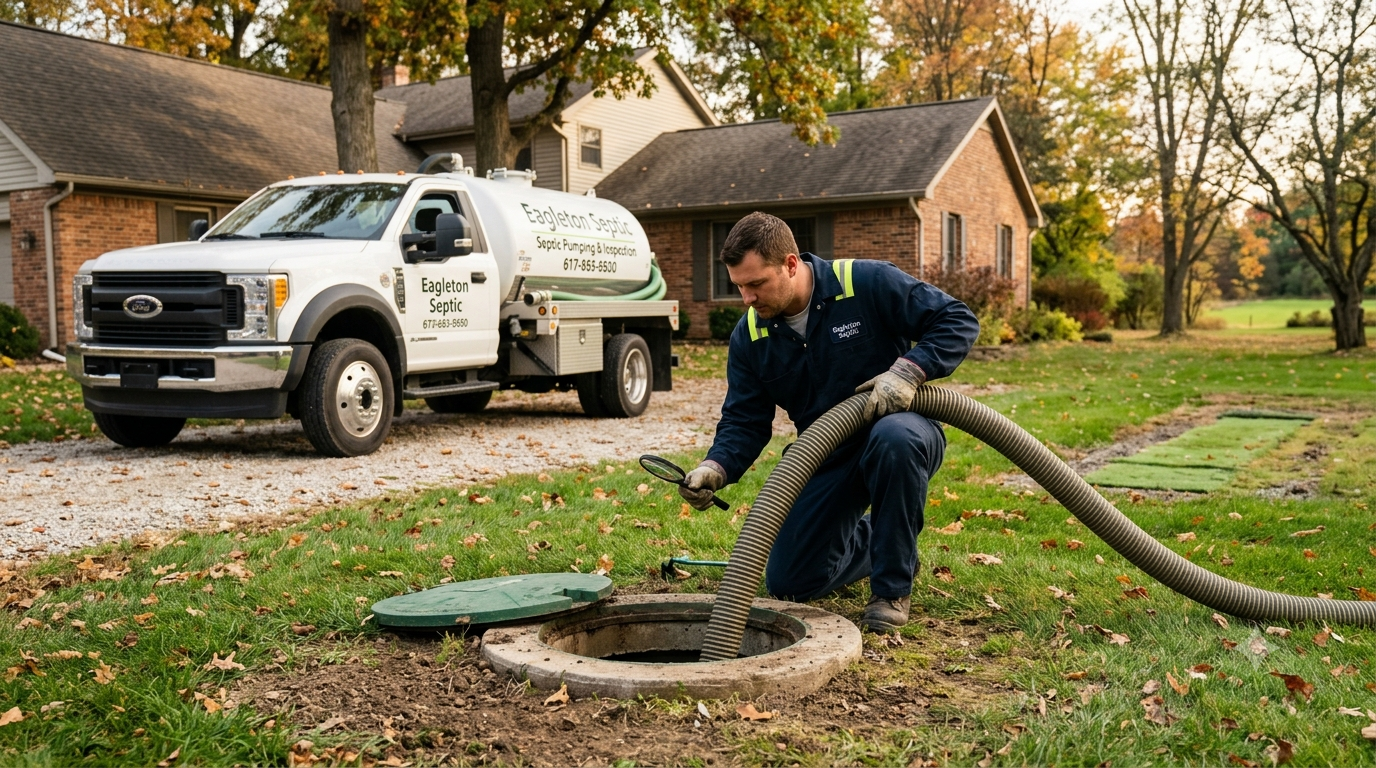
Septic tank pumping is a professional service that removes built-up solids, sludge, and scum from your tank so it can function at full capacity again. The process begins when a certified technician locates and accesses your septic tank, which is typically buried underground. After exposing and opening the tank’s access lid, the technician uses a high-powered vacuum truck to suction out the waste. This specialized system is strong enough to remove years of accumulated material, including compacted solids that don’t break down naturally.
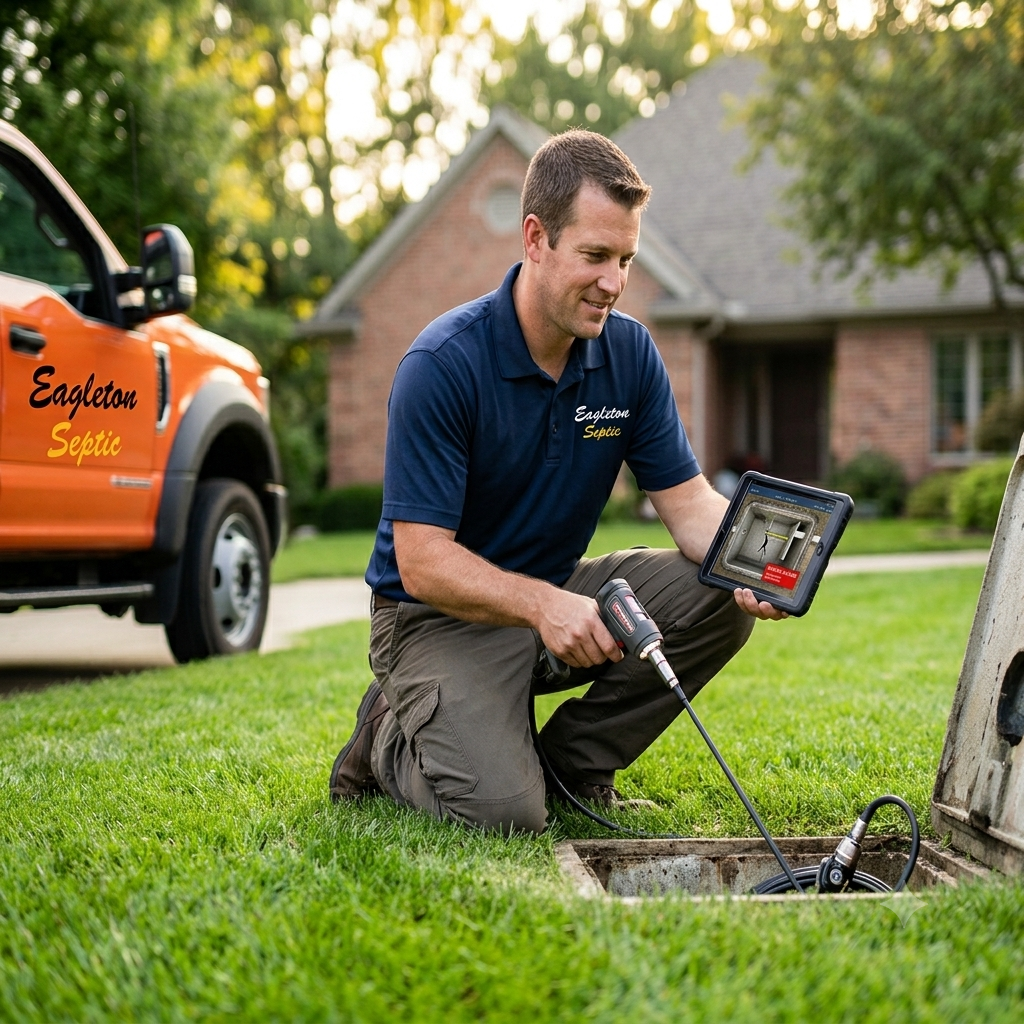
During pumping, the technician monitors the flow, breaks apart hardened buildup, and ensures the tank is emptied thoroughly. After removing sludge and scum, we conduct a visual inspection of key components: the inlet and outlet baffles, tank walls, piping, and overall structural condition. Some companies provide a light rinse to help remove stubborn residue, just enough to assist the process without eliminating essential bacteria the tank needs to function.
Once the tank is emptied and inspected, the technician reseals and reburies the access lid. What’s left is a septic system restored to proper working order. According to the
U.S. Environmental Protection Agency, routine pumping every 3–5 years is critical for preventing system failure.
When you’re due for septic tank pumping Brighton MI professionals provide, knowing the process ahead of time ensures you understand what’s happening and why it matters.
Why Brighton, MI Homeowners Benefit From Routine Pumping
In communities like Brighton, where many homes rely on septic systems instead of city sewers, routine pumping isn’t just a maintenance task it’s an investment in your home’s long-term health. The area’s combination of sandy and clay-rich soils, mature tree growth, and older septic installations can all contribute to increased strain on a system that isn’t maintained regularly.
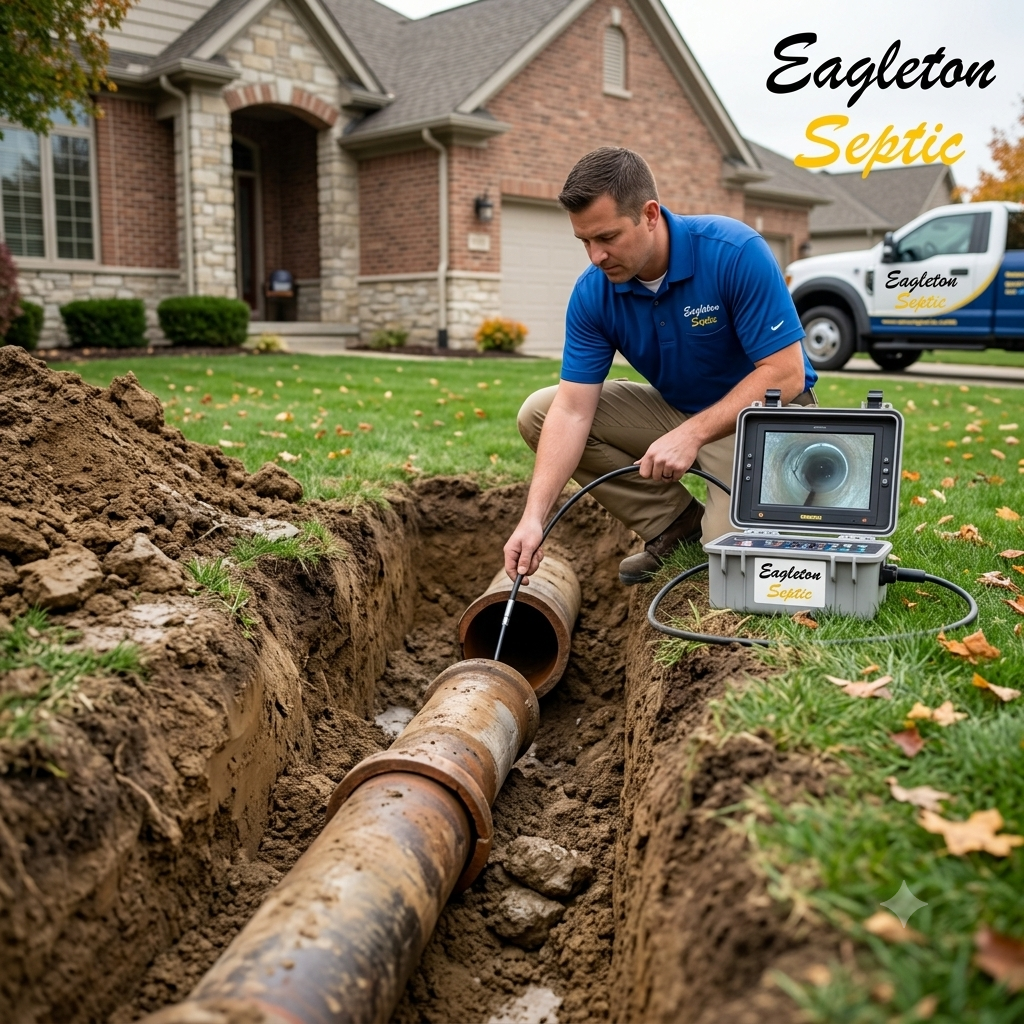
Experienced local companies such as Eagleton Septic understand Brighton’s soil, weather, system types, and warning signs. We’re able to identify issues early and help homeowners avoid costly surprises. It’s no wonder many residents specifically ask for septic tank pumping Brighton MI services once they’ve lived through or heard about unexpected septic problems.
Now let’s walk through the process in detail and answer the most common questions homeowners ask.
How Does a Septic Tank Work Step by Step?
Understanding how your septic tank functions makes the pumping process easier to visualize. Here’s the breakdown:
1. Wastewater enters the tank
Everything flushed or drained flows into the tank through the inlet pipe.
2. Solids settle at the bottom
Heavier waste forms a sludge layer.
3. Oils and fats rise
Grease, oils, and lighter materials float to the top as a scum layer.
4. Middle liquid flows to the drain field
Partially treated wastewater (effluent) travels to the soil for natural filtration.
5. Bacteria break down organic matter
Microorganisms digest some waste, but not everything, which is why pumping is required.
6. Solids build up over time
When sludge and scum levels rise too high, they can damage the drain field.
This natural process only works efficiently when waste levels are kept under control. Without regular septic tank pumping Brighton MI homeowners rely on, the system eventually becomes overloaded.
How Long can a Septic Tank Last Without being Pumped?
Most septic tanks need to be pumped every three to five years, but several factors can shorten or extend that timeline. Household size, daily water-usage habits, tank capacity, use of a garbage disposal, the age of the system, and even soil conditions all influence how often pumping is required. For example, a small tank serving a large household may need service every one to two years, while a larger tank used by a couple may last closer to five years between pumpings.
When a tank goes too long without maintenance, it starts to show warning signs such as slow drains, unpleasant odors, gurgling noises, or even sewage backups. One of the most expensive problems, a damaged drain field, is often the direct result of delayed pumping.
Many homeowners in Brighton, MI prefer to get multiple estimates before scheduling septic tank pumping, and companies like Eagleton Septic make it easy to compare pricing and availability. Learn more about "How Often Should You Pump Your Septic Tank?" by visiting our blog page today!
How do I Know if My Septic Tank Pump is Working?
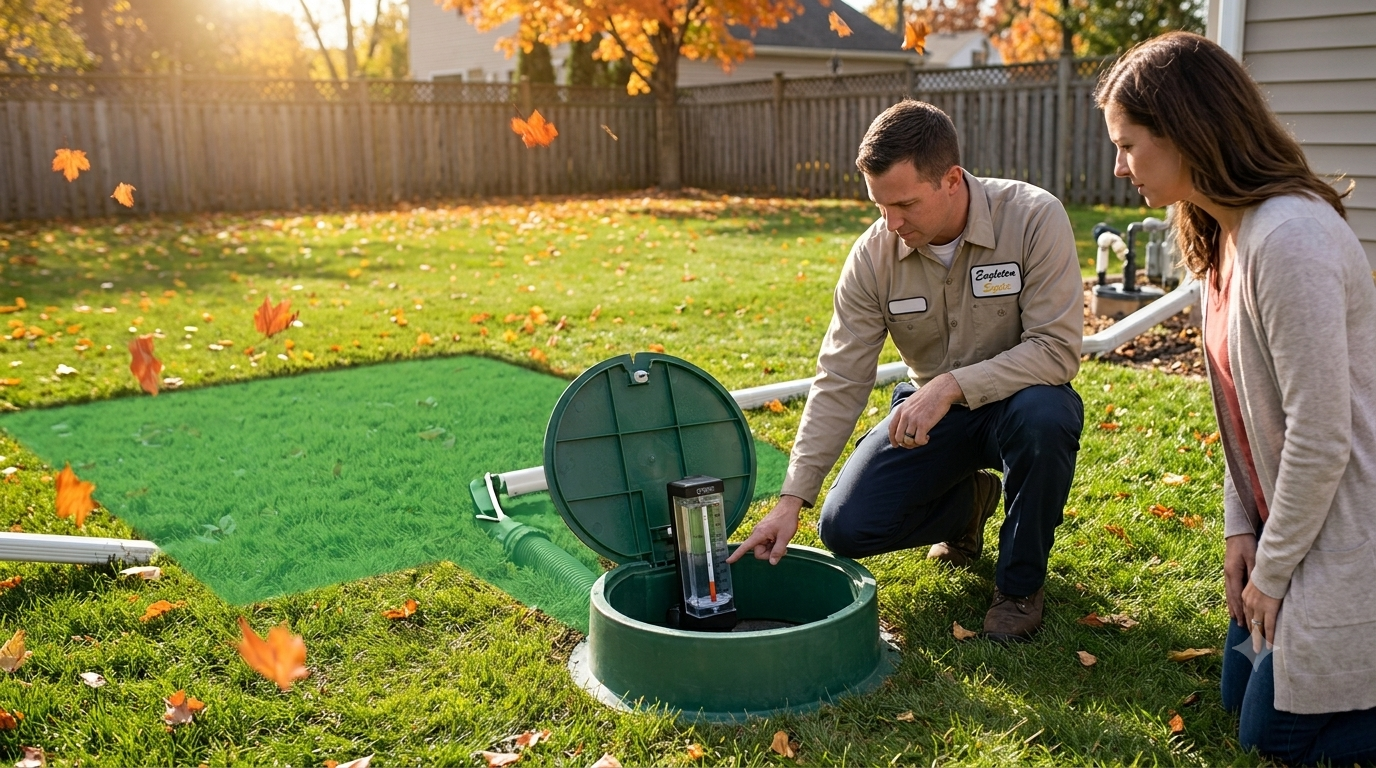
Some septic systems, especially mound systems or properties with elevation challenges—use a pump, and knowing whether it’s working properly is essential. A pump that’s functioning correctly will turn on periodically, won’t trigger the alarm system, will keep water levels in the pump chamber within a normal range, and will allow drains to flow without slowing or backing up.
When the pump begins to fail, however, you may notice warning signs such as an activated alarm light or buzzer, suddenly slow drains, gurgling sounds in your plumbing, a pump that runs nonstop or not at all, or wet, soggy areas forming around the drain field. Pump failure can escalate quickly and lead to serious system damage, so if any of these red flags appear, it’s important to schedule a service call right away, ideally with a provider offering septic tank pumping Brighton MI homeowners trust.
What are the Signs that your Septic Tank is Full?
Some septic systems, especially mound systems or properties with elevation challenges, use a pump, and knowing whether it’s working properly is essential. A pump that’s functioning correctly will turn on periodically, won’t trigger the alarm system, will keep water levels in the pump chamber within a normal range, and will allow drains to flow without slowing or backing up.
When the pump begins to fail, however, you may notice warning signs such as an activated alarm light or buzzer, suddenly slow drains, gurgling sounds in your plumbing, a pump that runs nonstop or not at all, or wet, soggy areas forming around the drain field.
Pump failure can escalate quickly and lead to serious system damage, so if any of these red flags appear, it’s important to schedule a service call right away, ideally with a provider offering septic tank pumping Brighton MI homeowners trust.
What is the Most Common Cause of Septic Tank Failure?
The most common cause of septic tank failure is simply a lack of regular pumping. When solid waste builds up beyond safe levels, it eventually flows into the drain field and clogs the surrounding soil, leading to costly and often extensive repairs. Other contributing factors include tree root intrusion, heavy household water usage, harsh chemical cleaners, aging or deteriorating systems, and grease or non-flushable items entering the tank.
Fortunately, routine septic tank pumping Brighton MI homeowners rely on, can prevent the vast majority of these issues. If any of the warning signs above sound familiar, or if it’s been several years since your last service, it's likely time to schedule professional help.
Working with a trusted provider like Eagleton Septic ensures the pumping is completed correctly, safely, and in compliance with local standards. Their experience with septic tank pumping Brighton MI systems gives homeowners long-term reliability and peace of mind.
Final Thoughts
Septic tank pumping may not be the most exciting part of homeownership, but it’s one of the most critical. Understanding how the process works empowers you to protect your home, prevent emergencies, and extend the lifespan of your entire septic system.
A little maintenance goes a long way especially in areas like Brighton, MI where septic systems are essential for daily living. If you’re unsure whether your tank is due, or if you’ve noticed early warning signs, connecting with a trusted local expert is the best next step.
When you’re ready, we are here to help guide you, answer your questions, and provide reliable septic tank pumping Brighton MI homeowners can count on.
Follow our social media pages below:

RECENT POST



GET A QUOTE
LEAVE A REPLY
Your email address will not be published. Required fields are marked *
