
3 Ways to Tell If Your Septic System Is Actually Working
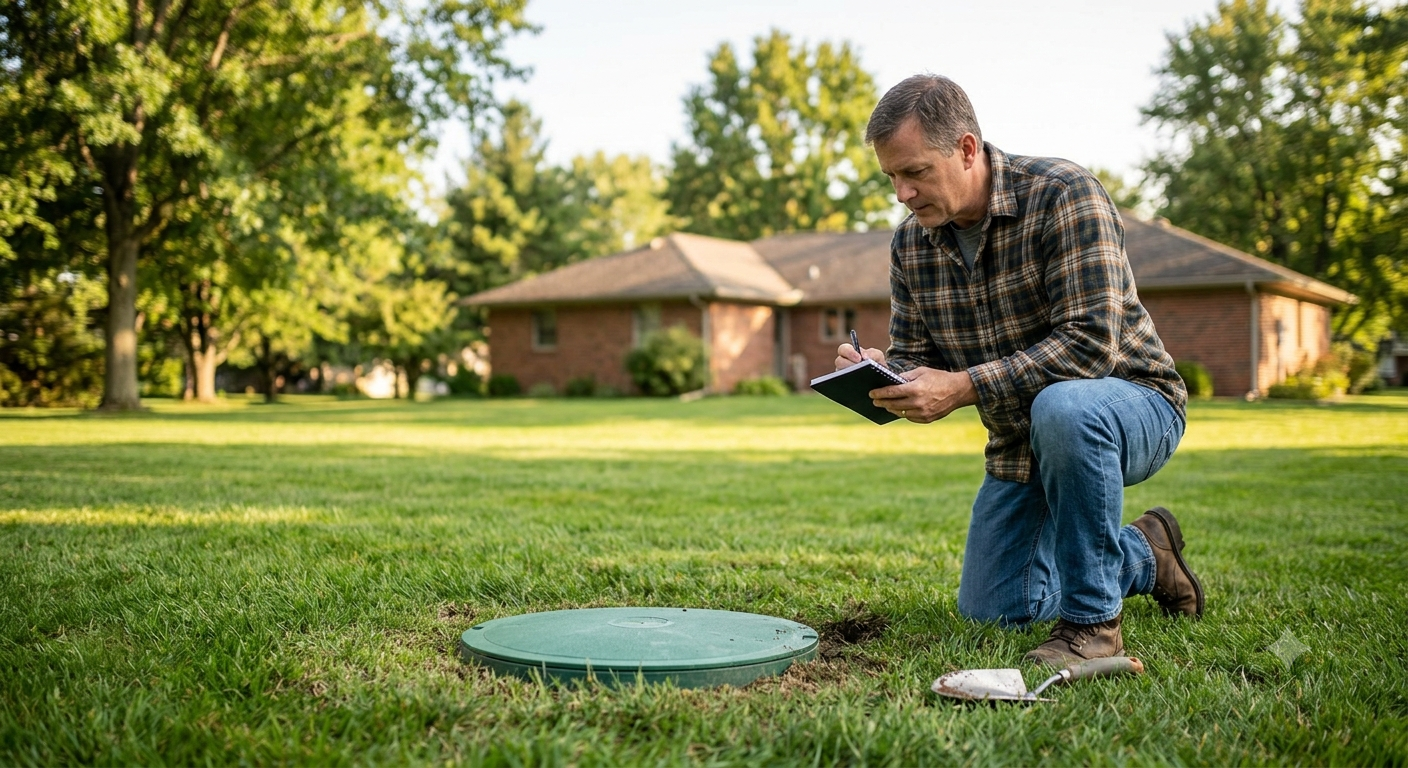
Let me tell you something most septic companies will not admit. You do not need fancy equipment to check if your system is working. You need to pay attention to three things.
Your drains. Your yard. Your records.
That is it.
Key Takeaways
- Regular septic system maintenance prevents expensive repairs
- Three simple checks reveal whether your septic tank functions correctly
- Slow drains, odors, and wet ground are warning signs
- A professional septic tank inspection gives the most accurate assessment
- Eagleton Septic serves Brighton, Howell, Milford, White Lake, Highland, and nearby areas
Your Drains Tell You What Is Happening
Start inside. Your plumbing does not lie. When the septic system cannot handle wastewater, your drains show it first.
Watch for this:
Several drains running slow at the same time. Not just one sink. Multiple fixtures. Showers, toilets, kitchen sink all acting up together.
Toilets that flush weakly. You know how a normal flush sounds and feels. When it changes, pay attention.
Gurgling from pipes. That bubbling sound when water drains means air is trapped. Wastewater is not moving freely.
Water backing up. This is the worst sign. If water comes up in your tub when you run the washing machine, you have a problem.
One slow drain might be a clog. Several slow drains at once usually means the septic system is struggling.
If you see this pattern, call for a septic tank inspection. A professional can tell you if the tank needs pumping or if something else is wrong.
Your Yard Shows You What Is Underground
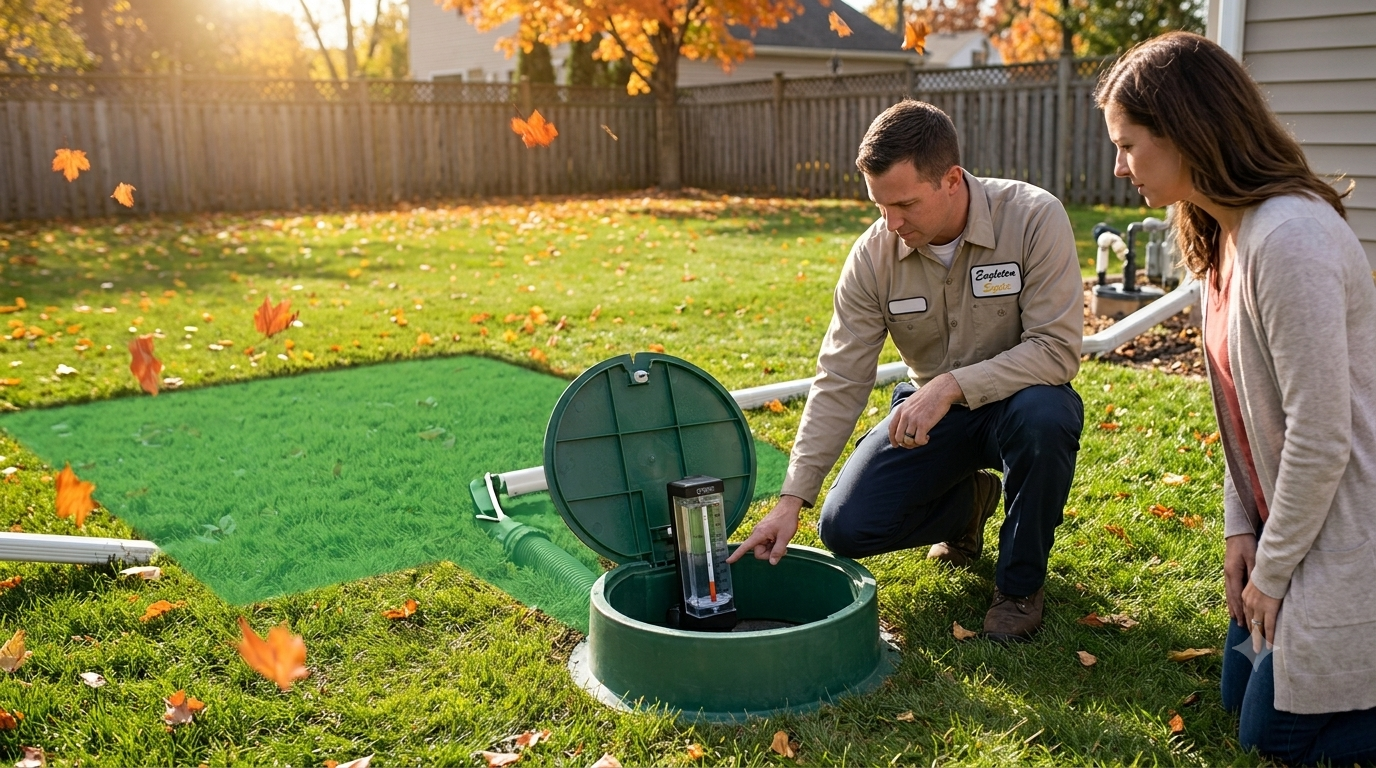
Walk outside. Go to where your tank and drain field are. Look at the ground. Look at the grass.
Here is what normal looks like:
Grass grows the same everywhere. No patches that are much greener than the rest.
Ground feels solid when you walk on it. Not soft. Not squishy.
After a rainstorm, water dries up like everywhere else. No puddles that stay for days.
No sewage smells. Your yard should not smell like a sewer.
Here is what warns you something is wrong:
Grass that is much greener over one area. Especially over the drain field. That extra green means wastewater is surfacing.
Ground that feels spongy. Like you are walking on a wet sponge. Even when it has not rained.
Standing water that does not drain. Puddles over the tank or drain field that stay long after other areas dry.
Sewage odors. If you smell it near the tank, wastewater is not moving through properly.
Water pooling around the tank access. This means the tank may be too full or the outlet is blocked.
These signs mean the system is not doing what it should. The drain field may be saturated. The tank may be overflowing.
Keep kids and pets away from standing water. Call a professional for a septic system inspection.
Your Records Show Whether You Kept Up With Maintenance
This check happens at your kitchen table. Pull out your files. When was the last time your tank was pumped? Do you have paperwork from past service?
Good maintenance looks like this:
Tank pumped every 3 to 5 years for most households. Maybe more often if you have a large family or garbage disposal.
You can find records of past septic tank cleaning. Receipts, invoices, something that shows when service happened.
No history of repeated backups. A backup once every 10 years is different from backups every few months.
Warning signs look like this:
You cannot remember the last pumping. At all. No idea when it happened.
No service records anywhere. You bought the house and nobody told you anything.
Multiple backups in a short time. That means the system is telling you something.
System is 20 years old or older with no major maintenance. Older systems need more attention, not less.
If you do not know your service history, schedule a septic tank inspection. A professional can look at the system and help you figure out what needs to happen.
About Those Septic Tank Cleaners
People ask about cleaners for septic tanks all the time. Bottles of stuff you pour down the drain. Claims about adding bacteria or breaking down solids faster.
Most septic professionals will tell you the same thing. A system that is working right does not need additives. The tank already has the bacteria it needs.
Adding chemicals can sometimes make things worse, not better.
You are better off doing the basics:
Pump the tank every 3 to 5 years. Keep grease out of drains. Do not flush wipes. Spread out laundry. Keep cars off the drain field. Direct rain water away from the system.
That matters more than any bottle of cleaner.
When to Call for Help
Some things you can check yourself. Some things need a pro.
Call for a septic tank inspection if you see:
Multiple warning signs from the three checks above. Not just one thing. Several things.
Sewage backing up into your home. This is urgent. Do not wait.
Strong odors that do not go away. If it smells bad for more than a day or two, get it checked.
Standing water over the drain field. Especially if it has not rained.
Tank has not been inspected in over 3 years. Even if everything seems fine.
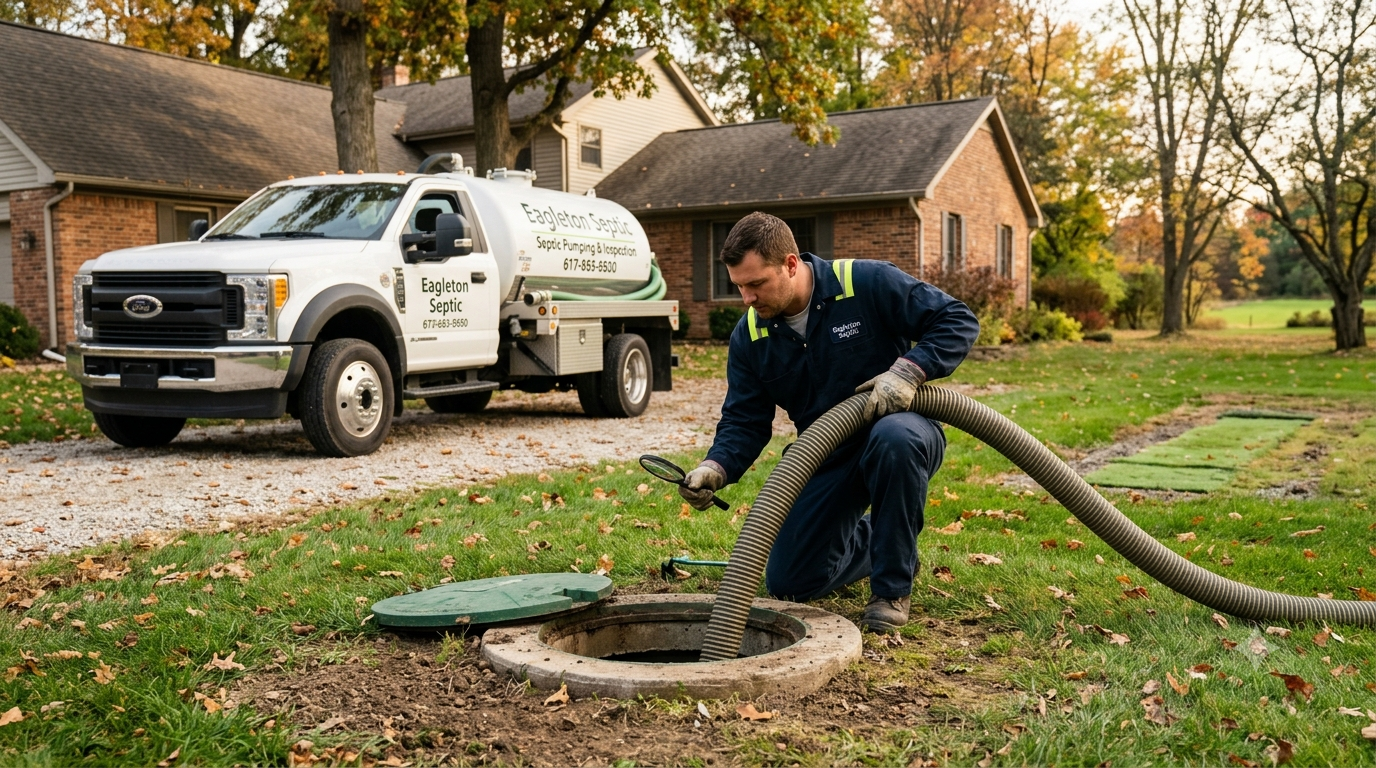
A professional inspection for septic tank issues finds problems early. The technician checks the tank, baffles, liquid levels, and parts they can reach.
What Does an Inspection Cost?
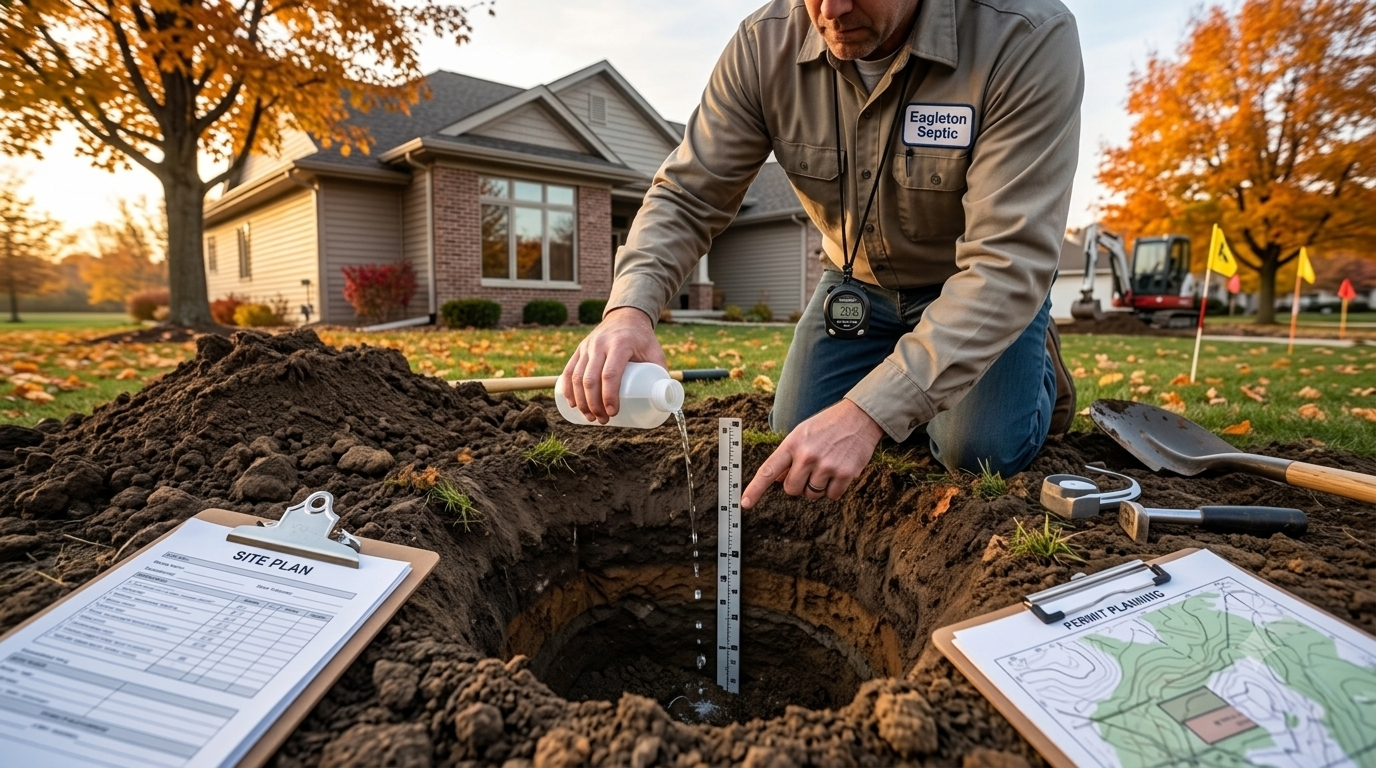
The septic tank inspection cost depends on a few things. Where the tank is. How hard it is to reach. What kind of system you have. Whether you also need pumping. Local rates in your area.
A typical inspection costs a lot less than emergency repairs or replacing a drain field. Think of it as protecting what you have.
Septic tank pumping prices also vary. Tank size matters. How full it is matters.
How easy it is to access matters. Most Michigan homeowners pay somewhere between $300 and $600 for a standard home.
Keeping Your System Going
Maintaining a septic system is not hard. It just takes regular attention.
Do this:
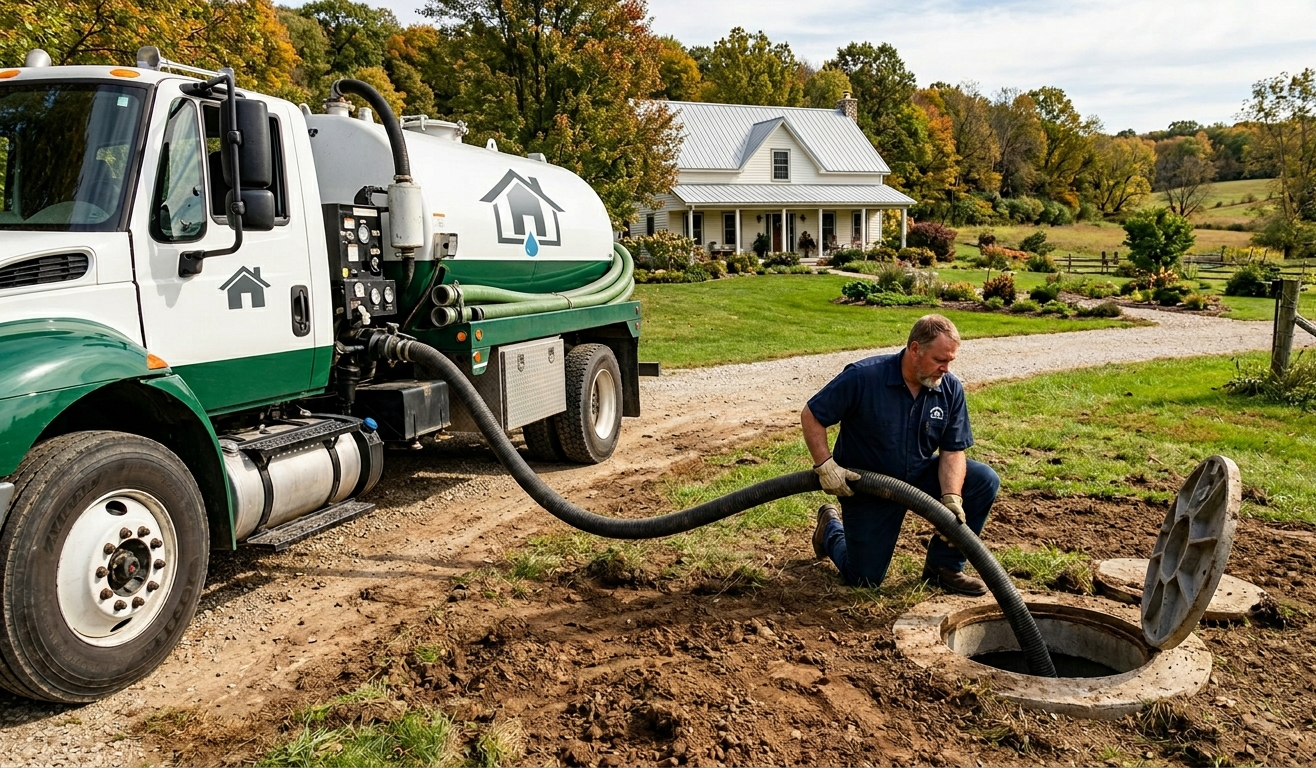
Schedule septic tank pumping every 3 to 5 years. Keep records of every service.
Fix leaks fast. Spread out laundry and heavy water use. Keep the tank area clear.
Do not do this:
Flush wipes or paper towels. Pour grease down drains. Park cars over the tank or drain field. Plant trees near the drain field. Ignore warning signs.
These things help a system last 20 to 30 years or more.
Why Local Knowledge Matters
Septic systems are not the same everywhere. Michigan has clay soil. We get freeze-thaw cycles. Local rules vary by county.
A company that works in Brighton, Howell, Milford, White Lake, and Highland knows these things. They have seen the common problems in your area. They know how to fix them.
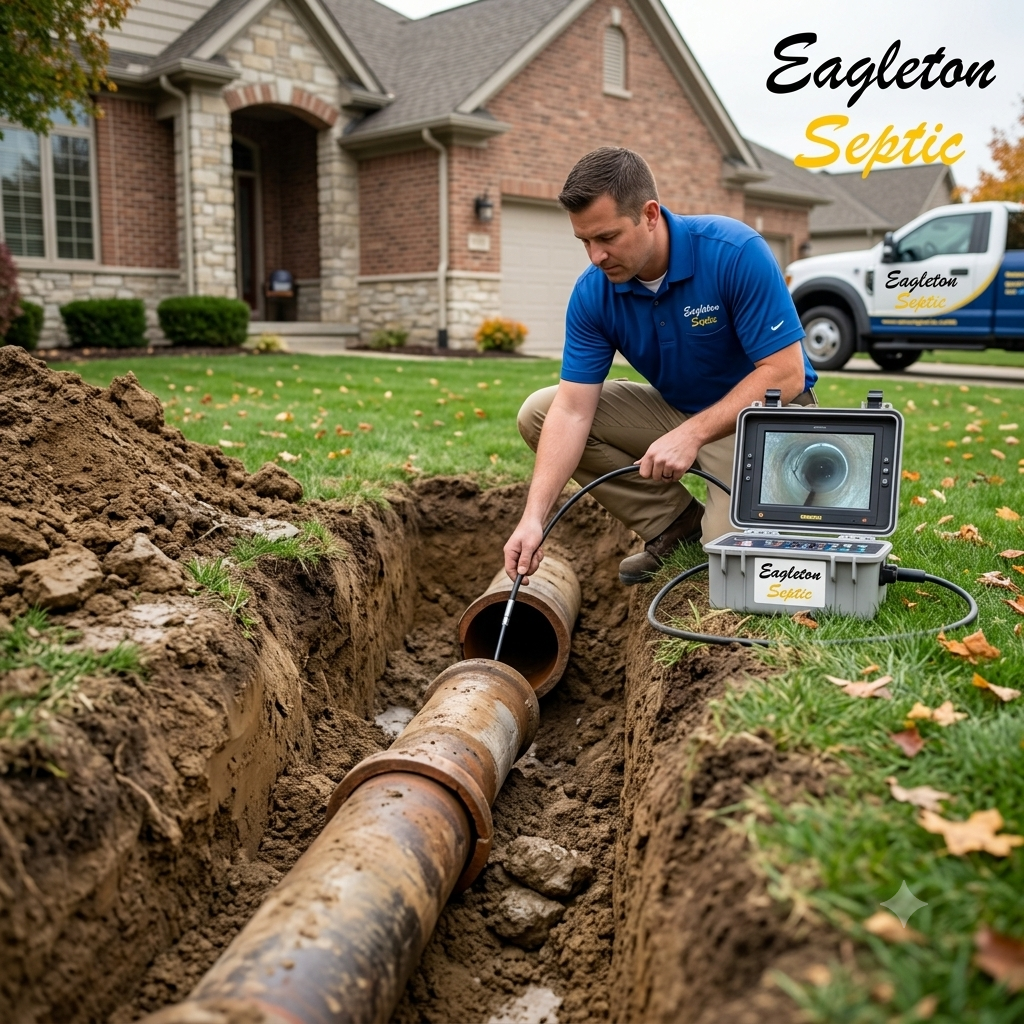
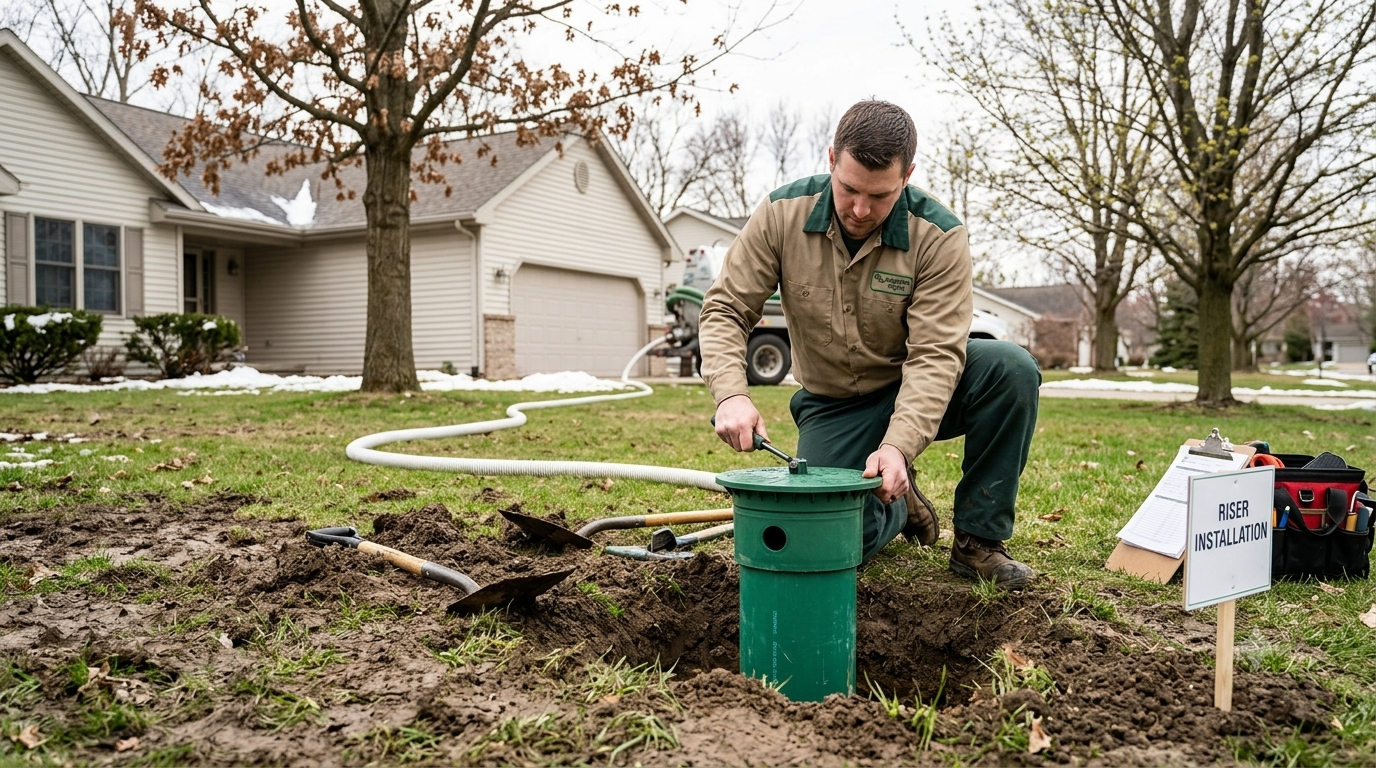
Eagleton Septic provides septic tank pumping and cleaning, septic field installation, septic riser installation, sewer line installation, sewer line repair, and excavating services for Michigan homeowners.
You can review Eagleton Septic's septic tank cleaning services before scheduling an inspection.
Highlights
- Check drains, yard, and tank area for problems
- Keep records of septic tank pumping and cleaning
- Avoid harsh cleaners that disrupt system function
- Regular inspections maintain systems for decades
- Local experience matters for Michigan soil conditions
The Bottom Line
Checking if your septic tank works does not need special tools. Watch your drains. Look at your yard. Check your records.
These three things find problems early. Before they cost you thousands.
If you see warning signs, schedule a septic tank inspection. Regular septic system maintenance costs a lot less than emergency repairs. A well-maintained system works for decades.
If you are in Michigan and not sure about your system, call a local company that does both septic tank pumping and septic system inspection. You get an honest answer and clear next steps.

RECENT POST



GET A QUOTE
LEAVE A REPLY
Your email address will not be published. Required fields are marked *
