

Key takeaways
- Slow drains and backups across the house are an early warning your system is in trouble
- Sewage smells inside or outside should never be ignored
- Standing water or soggy spots over the tank or drain field mean wastewater is not going where it should
- Gurgling sounds in toilets and drains often show that wastewater has nowhere to go
- Regular septic tank maintenance in Michigan is the best way to avoid late night emergency calls
Why this matters for Brighton homeowners
If you live on a septic system, you only think about it when something goes wrong. That is normal. Most of the time, the system sits underground and just works.
The trouble is that when it starts to fail, it rarely fails quietly. You get small hints first. If you know what to look for, you can act before you have sewage in the basement or a ruined yard.
Let’s walk through four clear signs that mean you should call for emergency septic pumping in Brighton.
1. Slow drains and backups across the house
One slow sink does not always mean a septic problem. It can just be hair or food in that line. What you want to watch for is a pattern.
Pay attention if:
- The shower takes a long time to drain
- The kitchen sink drains slowly
- The bathroom sink is slow as well
- Plunging and basic drain cleaning do not fix it for long
When more than one drain in the house is slow, the issue is often in the septic system, not just in one pipe. The tank may be full. The outlet may be restricted. The drain field might not be taking water the way it should.
If you ignore this and keep using water like normal, the next step is usually a backup. Wastewater will find the lowest point in your home, often a basement drain or a first floor shower.
Repeated slow drains across the house are a clear sign to call a septic professional right away.
2. Sewage smells inside or in the yard
A well working system does not smell. The tank and pipes are sealed. The drain field is under the surface.
If you notice any of the following, your system is trying to tell you something:
- A sewage smell near a bathroom or basement
- Odors near the tank or the drain field area
- Smells that come and go with heavy water use or rain
Smells inside the house can mean wastewater is backing up toward fixtures. Smells outside can mean the tank is overloaded or the drain field is saturated and letting gases escape through the soil.
Many people try to cover the smell with sprays or candles. That may make the house more pleasant for a short time, but it does not solve anything. When you smell sewage, it is time to look at septic tank care, not air freshener.
If the odor is strong or appears suddenly, treat it like an urgent problem, not a small annoyance.
3. Standing water or soggy ground over the system
After a hard rain, a little surface water is normal. What is not normal is:
- Standing water over the drain field long after the rain stops
- Soft, spongy ground above the tank or field, even during dry weather
- Grass that is much greener and thicker in one strip where the pipes run
In Michigan, clay soil holds water. When a drain field stops accepting effluent the way it should, wastewater can push toward the surface. That water is not just rain. It can be septic effluent that has not been fully treated.
If you see pooling water in the area where your system is buried, especially if the weather has been dry, you should call for septic system service right away. Do not let kids or pets play there until it is checked.
Standing water over the system is one of the clearest signs that your tank and field need attention now, not next season.
4. Gurgling noises in toilets and drains
This one is easy to miss because it seems small. If you flush the toilet and hear a gurgle in the tub. Or you run the washing machine and hear bubbling in a nearby sink.
That sound happens when air is trapped in the plumbing. The air usually gets pushed around when wastewater has trouble moving out to the tank or through the system.
Some people ignore gurgling for months. They get used to it. Then one day the system finally backs up.
Gurgling in more than one fixture is a sign that something in the septic system is restricting flow. It could be a full tank, a blocked line, or a problem at the outlet to the drain field. Whatever the cause, it is safer to have it checked than to wait and hope.
Why these issues show up more often in Brighton
Brighton and nearby communities often have:
- Clay or heavy soil that drains slowly
- Older homes with older septic designs
- Higher water use from modern appliances and busy families
Clay soil holds water. When the ground is already wet from rain or snow melt, your drain field has less capacity to absorb wastewater. That makes slow drains, odors, and standing water show up faster.
Older systems were not designed for multiple full bathrooms, dishwashers, and large washing machines all running in the same evening. Without regular septic tank maintenance, they reach their limit sooner.
This mix of soil, age, and water use is why Brighton homeowners need to take septic system maintenance seriously. Small warning signs can turn into major problems quickly.
What happens when you call for emergency service
In a real emergency, timing matters. When you call a company like Eagleton Septic, here is what usually happens.
First, they ask what you are seeing:
- Are drains backing up?
- Do you have sewage in the basement?
- Is there standing water outside?
- How long has it been since the tank was pumped?
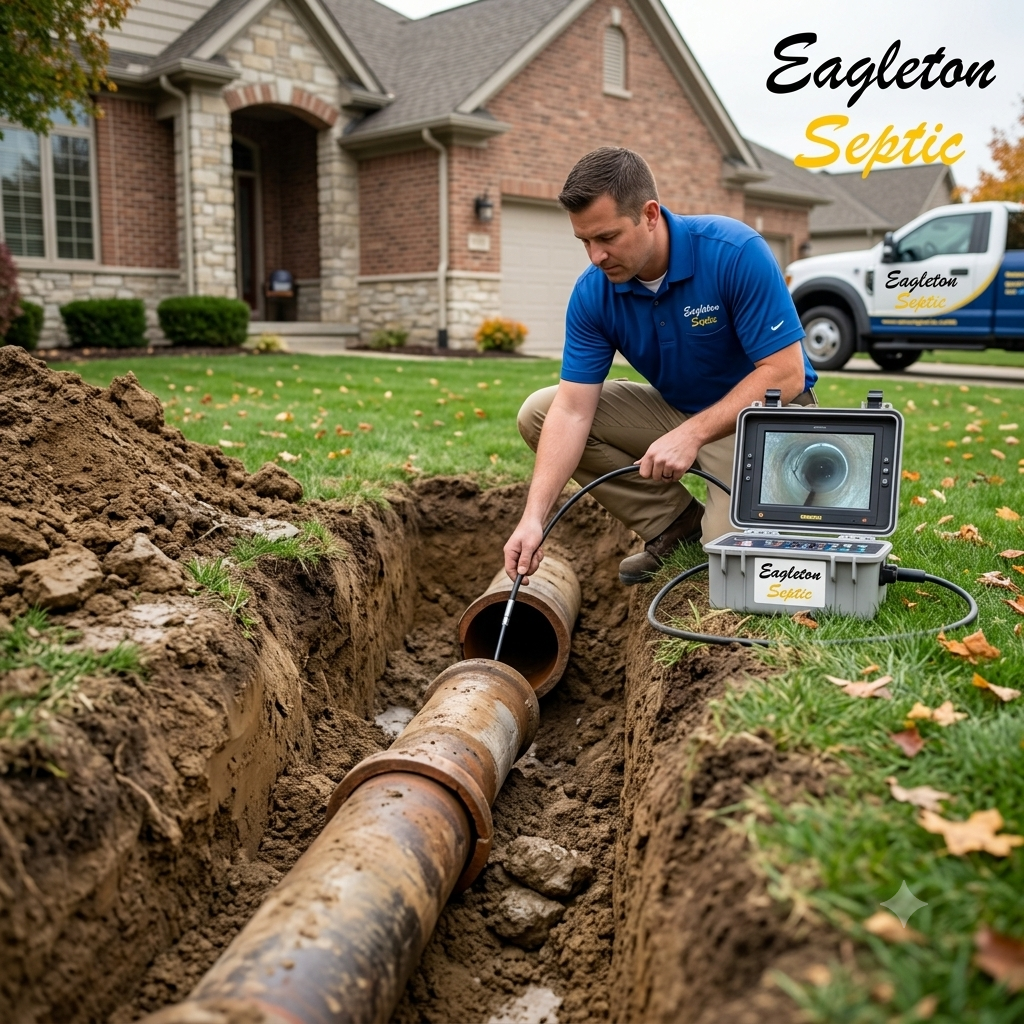
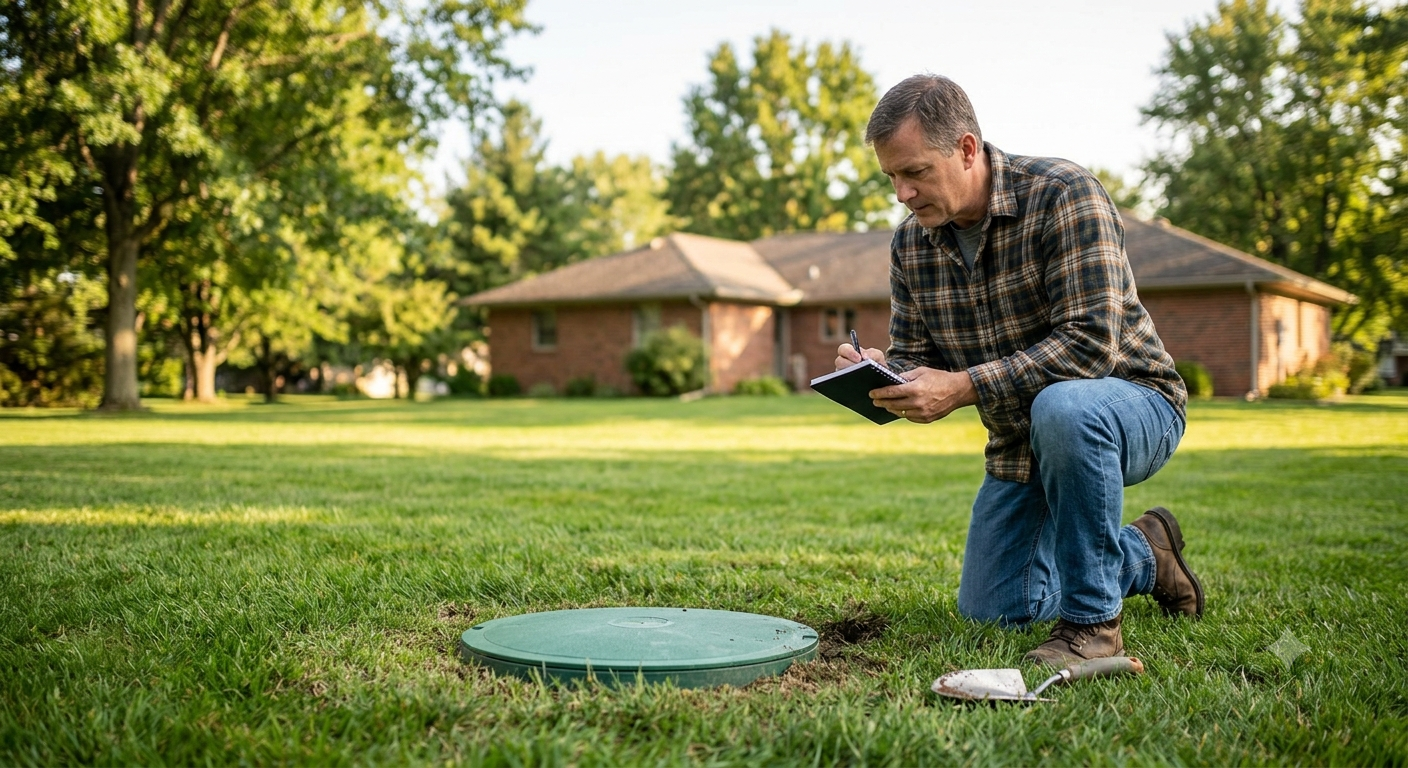
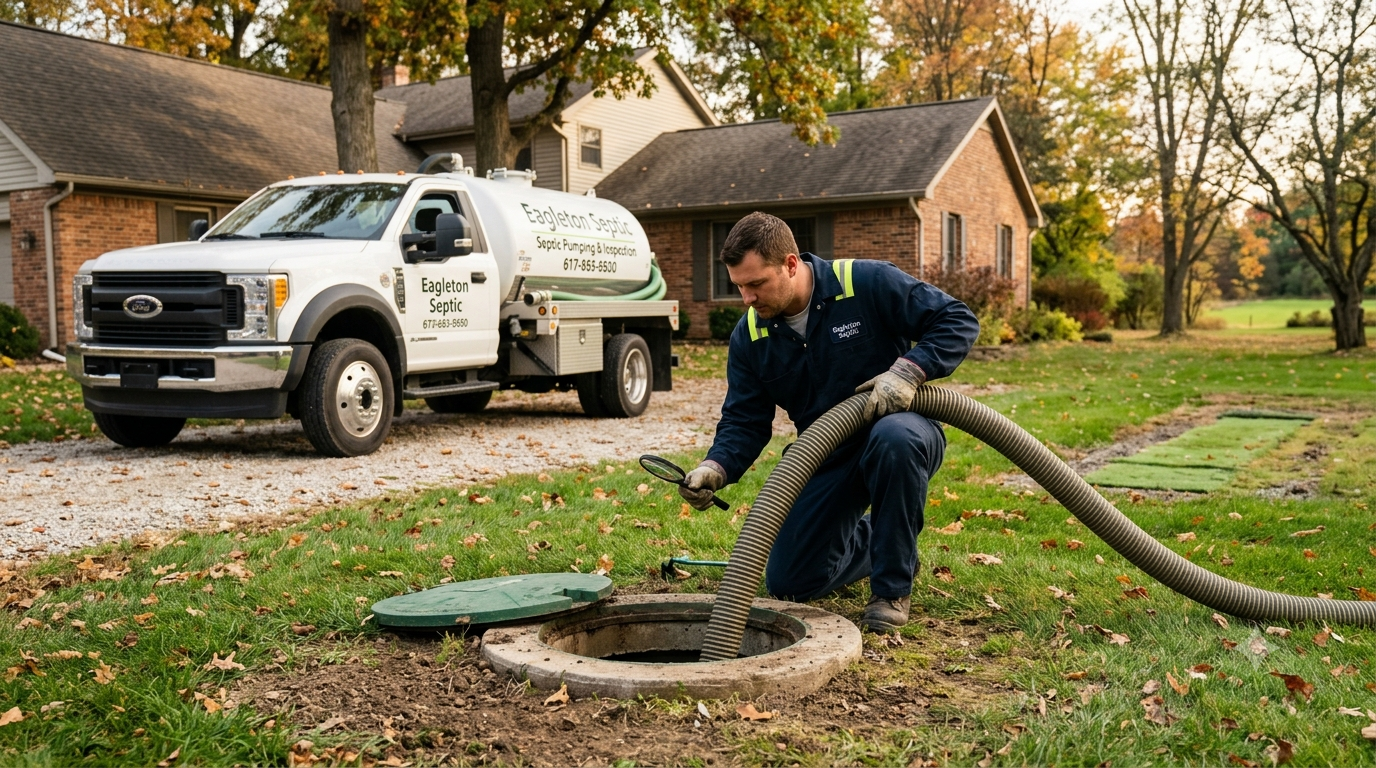
Next, a technician comes out, locates the tank, and checks the situation. If the tank is full or close to overflowing, they pump it. This removes liquid and solids so the system can start working again.
While the tank is open, a good technician will:
- Look at the inlet and outlet baffles
- Check the liquid level in the tank
- Look for signs of damage or root intrusion
They may also walk the drain field to see if water is reaching the surface.
If the problem is just a full tank, emergency pumping may fix it. If there is damage to the tank or field, they explain the next steps.
You should leave the visit knowing:
- What caused the problem
- What was done that day
- What you need to do next to prevent it happening again
How to avoid reaching the emergency stage
You cannot control the weather or the soil, but you can control how you care for your system.
A simple plan for septic tank maintenance in Michigan looks like this:
- Pump the tank every 3 to 5 years, depending on household size and tank size
- Fix leaks in toilets and faucets so they do not send water into the system all day
- Spread out laundry and heavy water use across the week
- Keep grease, wipes, and chemicals out of drains
- Keep vehicles and heavy equipment off the drain field
- Call for a septic system inspection if you see any of the four signs above
This basic care does not take much time, but it makes a big difference. It is much easier and cheaper to schedule regular septic tank pumping services than to deal with sewage in your basement.
Highlights
- Four simple signs tell you it is time to call for help
- Brighton’s clay soil and older systems make septic problems show up faster
- Acting early usually costs less than waiting until the system fails
- Eagleton Septic can respond in Brighton when things move from “strange” to “serious”
When in doubt, get it checked
If you are in Brighton and you are seeing slow drains, smelling sewage, noticing soggy spots, or hearing gurgling, do not wait to see what happens next.
Reach out to a local team that works with septic tanks every day and understands our soil and weather. You can start by looking at the services offered by Eagleton Septic and, if needed, schedule an inspection or emergency visit.
It is always better to make that call a week too early than a day too late.

RECENT POST





GET A QUOTE
LEAVE A REPLY
Your email address will not be published. Required fields are marked *
