
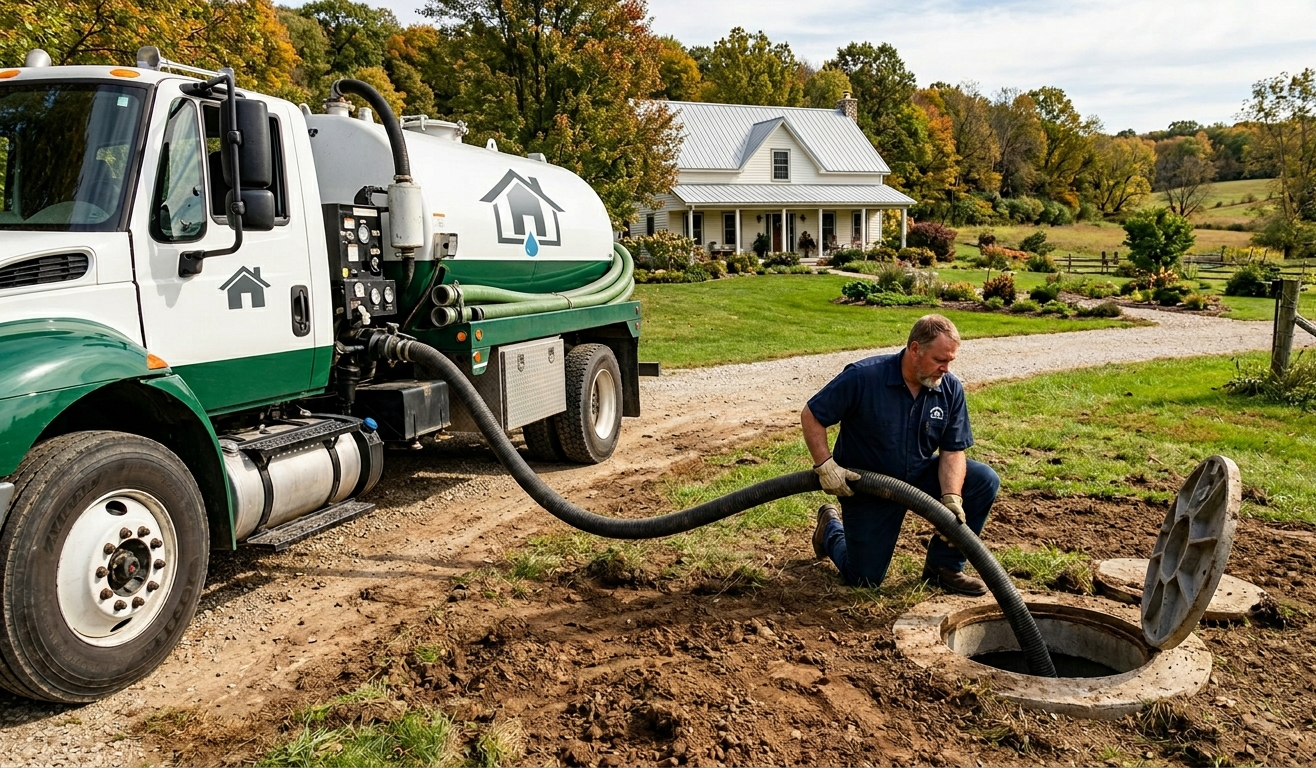
If you have a septic tank, you already know that regular pumping is part of owning a home with a private septic system. What many homeowners do not think about is how the septic company gets to the tank in the first place.
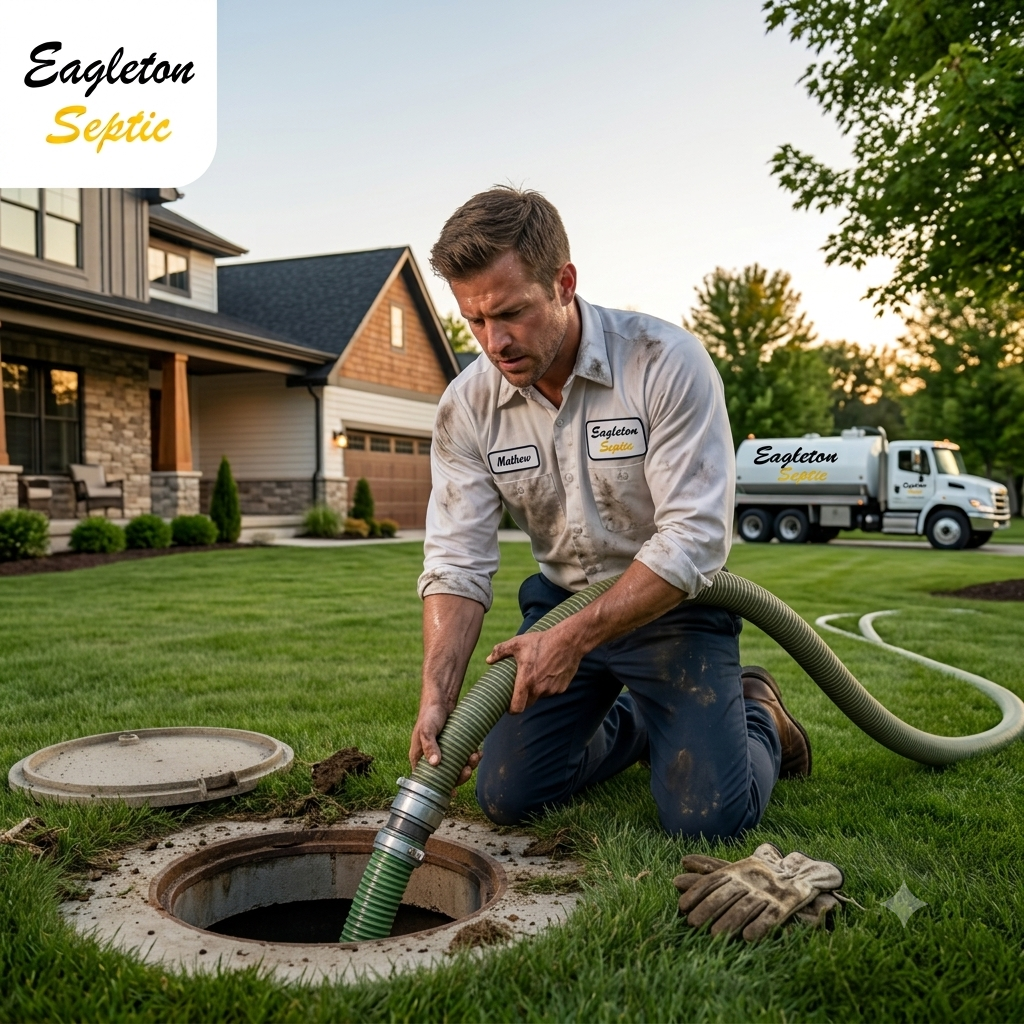
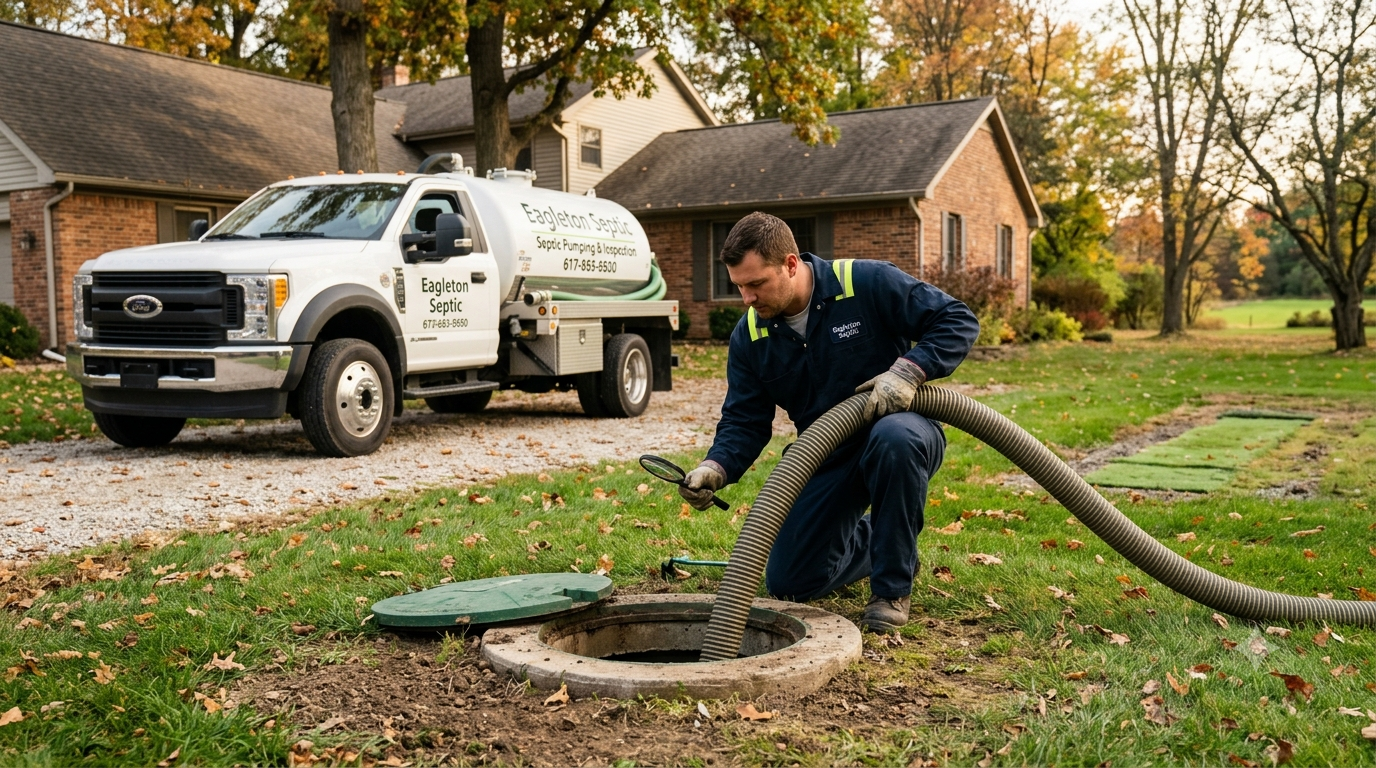
If the tank lid is buried several inches or even a few feet below the yard, the crew has to find it and dig it out before they can start. That can take time. It can also leave a section of your lawn disturbed after the appointment.
A septic system riser gives the service provider a direct way to reach the tank. It is a simple addition, but it can make future pumping, inspections, and repairs much easier.
Key takeaways
- Septic system risers make septic service easier, but they do not replace routine pumping.
- A secure riser lid for septic tank access is important for safety and system protection.
- Professional septic riser installation helps make sure the riser fits and seals correctly.
- Ask about a riser during your next pumping or inspection appointment.
What is a septic system riser?
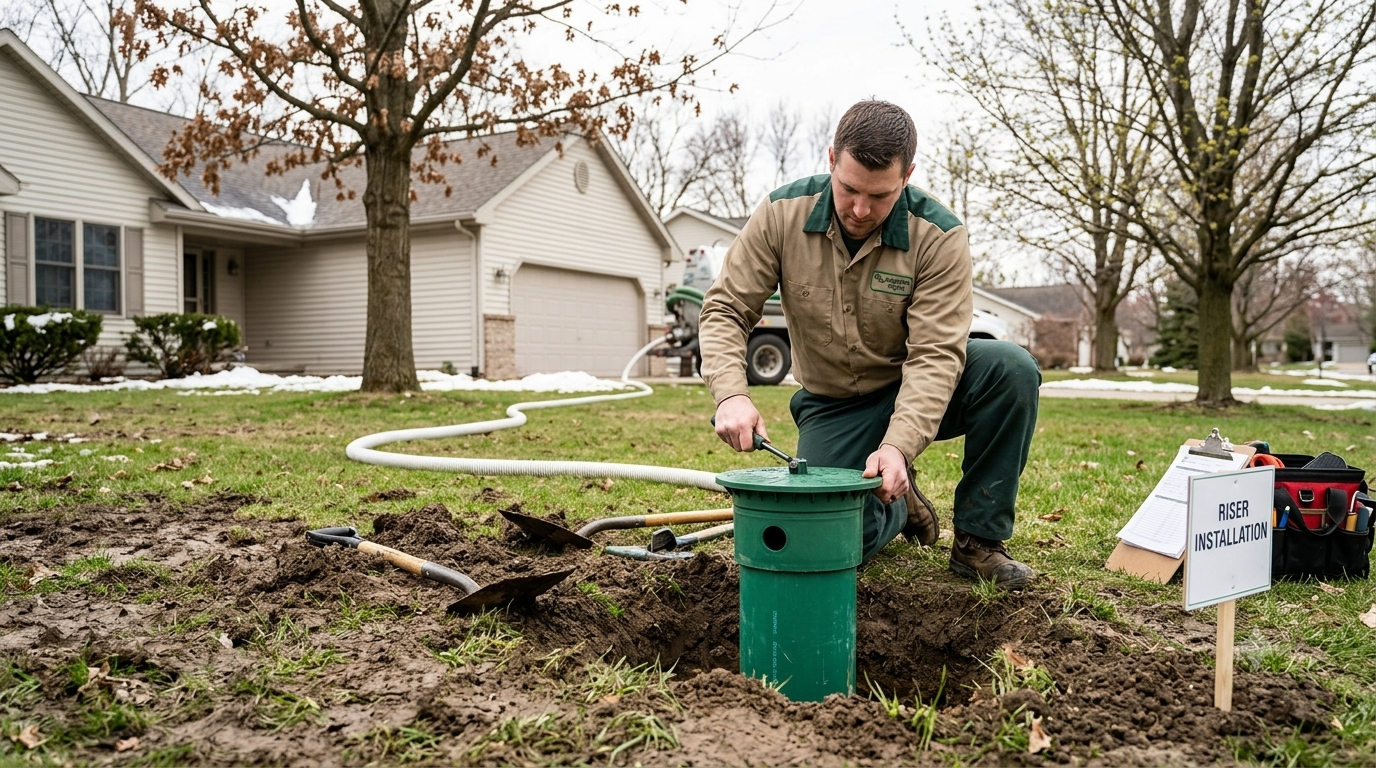
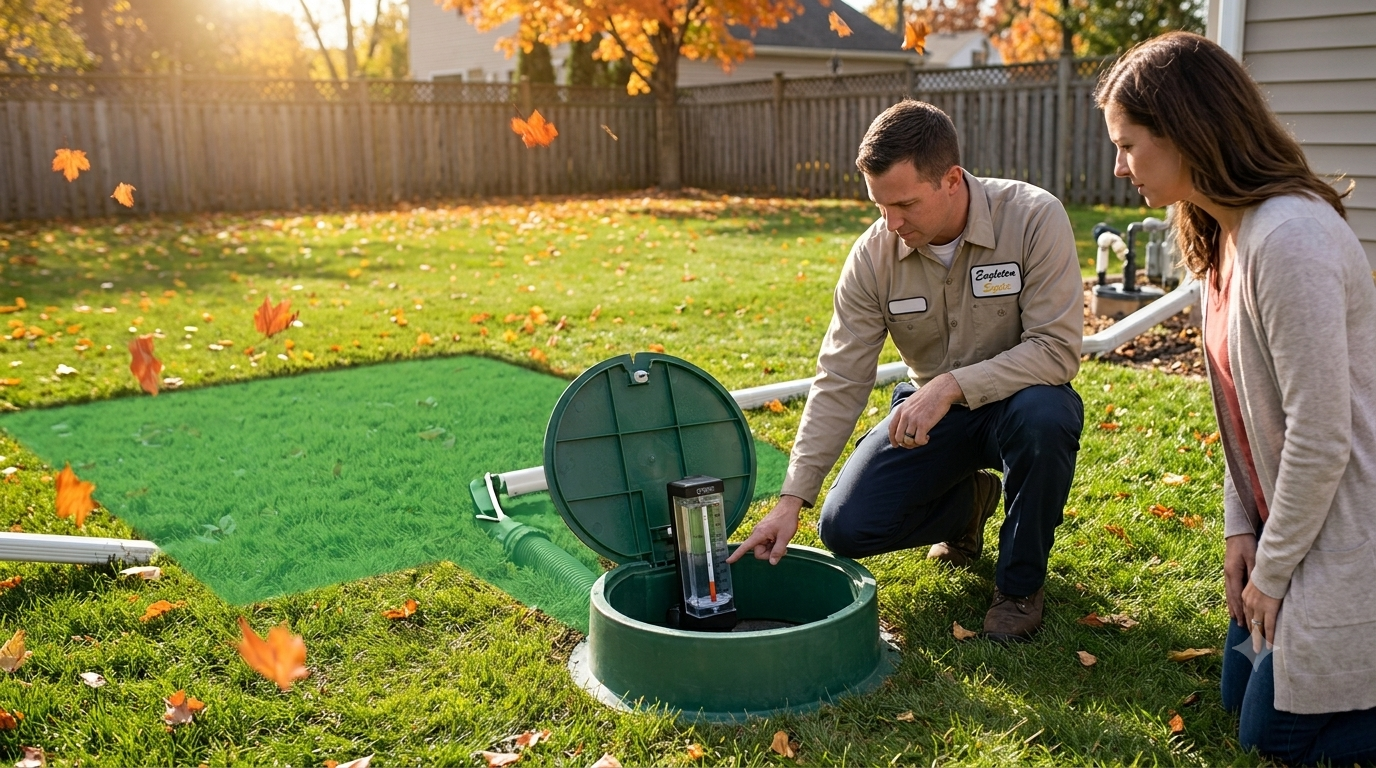
A septic system riser is a sturdy pipe or extension that connects the access opening on top of the septic tank to the surface of the ground. It has a lid at the top that can be opened when the tank needs service.
The riser may be made of plastic, fiberglass, or concrete. Most homeowners choose a material that works with the type of septic tank they already have. The goal is simple. Instead of digging for the tank lid, the septic technician can open the riser lid and reach the tank access point.
You may also hear it called a septic tank riser, septic lid riser, sewer tank riser, or septic tank lid riser. These terms usually refer to the same type of access extension.
Why people install septic tank risers
The most common reason is convenience. A buried septic lid has to be uncovered every time the tank is pumped or inspected. That means extra digging, extra time, and sometimes damage to the grass or landscaping.
With a septic tank riser, the tank can be accessed from the surface. That makes it easier for the homeowner and the septic company.
Homeowners usually decide to add a riser because:
- The tank lid is hard to find
- The septic tank is deep in the yard
- The lawn gets dug up during every pumping appointment
- They want to make future service visits faster
- They recently purchased a home and do not know where the tank access is located
In Michigan, some counties may also have rules about risers for new systems or replacement systems. It is always a good idea to check the local health department before making changes.
What happens during septic riser installation?
A septic riser installation is usually completed when the tank is being pumped, inspected, or repaired. Since the access opening is already exposed, it is a good time to install the riser.
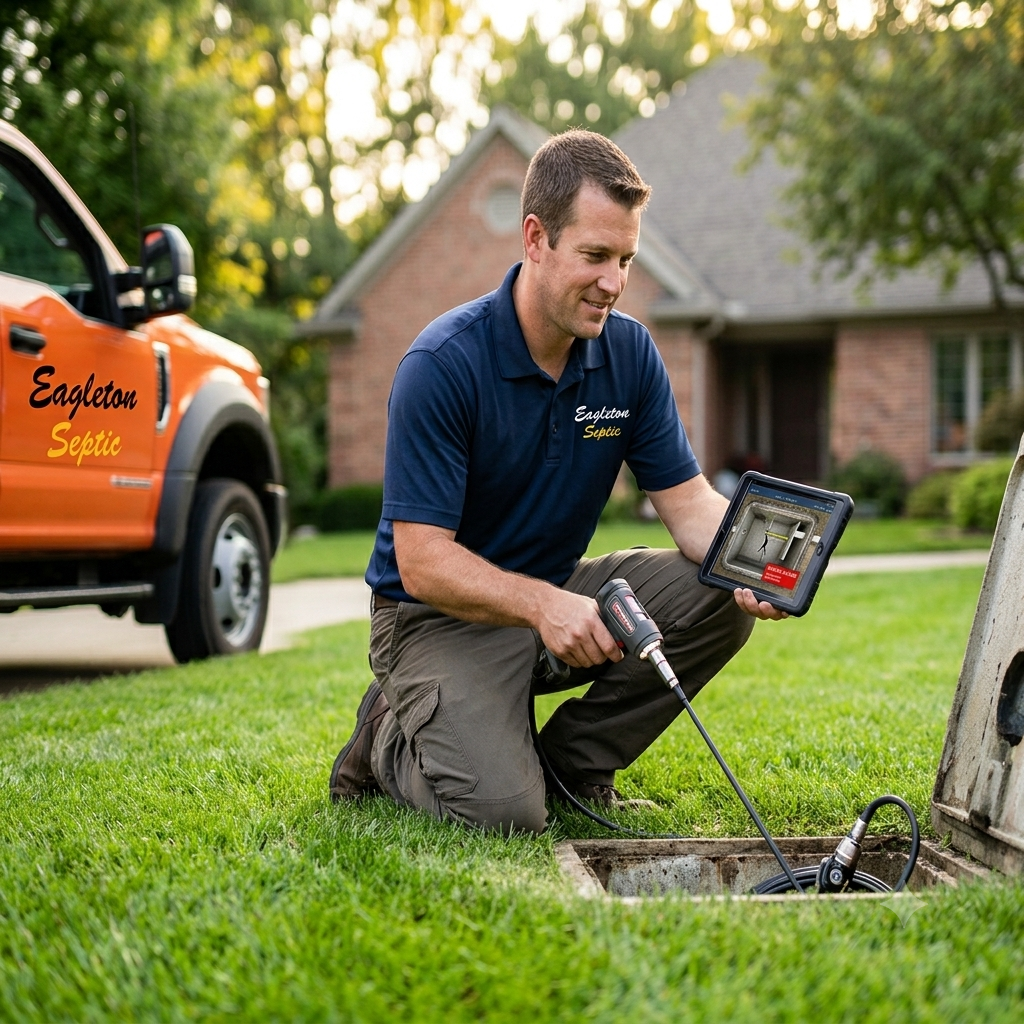
The technician first locates the septic tank and uncovers the access lid. They inspect the opening and measure how far below the surface it sits. Then they choose the right riser height and fit it over the opening.
The riser needs to be sealed correctly. If it is not sealed, rainwater, soil, or debris may enter the system. That can create extra problems later.
Once the riser is installed, the lid is secured at ground level or just below the surface. Some homeowners prefer the lid to be visible so it is easy to find. Others choose to cover it lightly with grass or mulch. The lid should still be easy to reach when service is needed.
Choosing a septic tank riser kit
A septic tank riser kit may include riser sections, a base adapter, gaskets, fasteners, and a lid. Some kits are adjustable, which is useful if the tank sits deeper underground.
Before choosing a septic riser kit, make sure you know:
- The type of tank you have
- The size of the access opening
- How deep the tank lid is
- Whether the riser is designed to fit your tank
- Whether the lid can be secured properly
The cheapest kit is not always the best choice. A riser that does not fit well can let in water or shift over time. It can also make future maintenance harder instead of easier.
A septic professional can measure the opening and recommend the right septic tank riser and lid for your system.
Why the riser lid matters
The riser lid is not just a cover. It should fit tightly and stay secure.
A good riser lid for septic tank access helps keep rainwater, dirt, leaves, and small animals out of the tank. It also helps prevent someone from opening the access point by accident.
If you have children or pets, a secure lid is especially important. The area around a septic tank should always be treated carefully. Do not leave a septic tank open, even for a short time.
Is a septic tank with riser easier to maintain?
Yes. A septic tank with riser is usually easier to maintain because the service provider can reach the tank without digging first.
The riser does not change how often your tank needs pumping. It does not fix a damaged drain field or replace regular inspections. What it does is make basic septic service quicker and less disruptive.
For most households, septic tanks should be inspected regularly and pumped based on usage, tank size, and the number of people in the home. A riser makes those routine visits simpler.
Highlights
- A septic system riser brings the tank access point closer to the ground surface.
- A septic tank riser can reduce repeated digging during septic pumping and inspections.
- A properly secured septic tank lid riser helps keep water, debris, and unwanted access out.
- Septic riser installation is often easiest during a scheduled pumping visit.
- The right septic tank riser kit should match the size and depth of your existing tank.
When should you install septic system risers?
The best time to install septic system risers is when the tank is already open for pumping or inspection. This saves time because the access lid does not need to be found twice.
You may want to add a riser if your tank is buried deep, your yard has been dug up before, or you want an easier way to maintain the system.
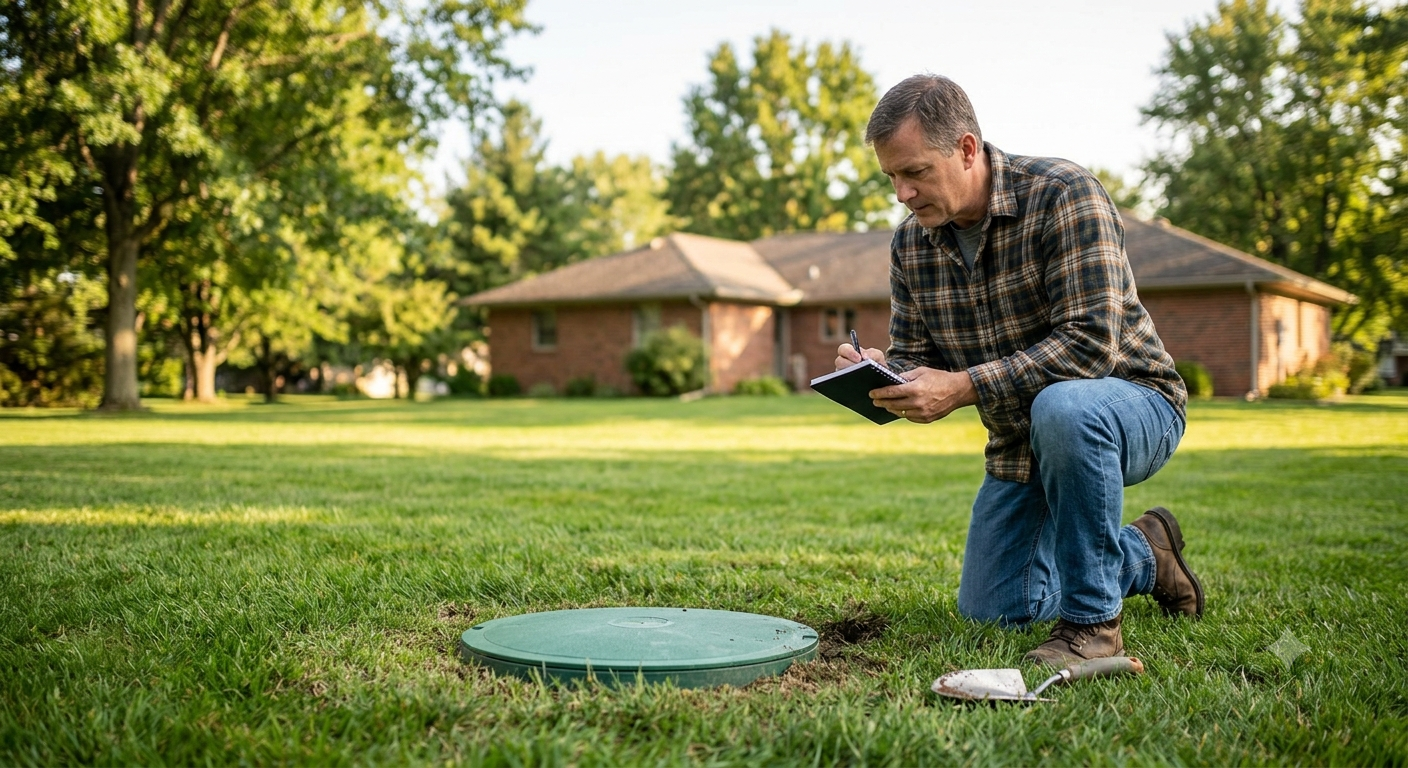
If you are not sure whether your tank already has an access riser, a septic inspection can help you find out.
For Michigan homeowners who need reliable septic pumping, inspections, riser installation, or maintenance guidance, Eagleton Septic’s Michigan septic services can help you understand your system and choose the right next step.
RECENT POST



GET A QUOTE
LEAVE A REPLY
Your email address will not be published. Required fields are marked *
