
Key takeaways
- In Michigan, septic system installation starts with a soil test, not with digging.
- Your county health department, not the state, controls permits and rules.
- The drain field (septic field) does more work than the tank.
- Skipping the percolation test is one of the biggest reasons projects get delayed or rejected.
- A well-installed system can last 20 to 30 years with regular pumping and inspections.
New Septic System in Michigan: How to Plan It Right the First Time
If you have a quote for a new septic system in Michigan and you are wondering why the number looks the way it does, you are not the only one. A lot of homeowners think it is just a tank in the ground. In reality, it is a small engineered system built around your soil. That is why two houses on the same street can get very different prices for the same size home.
The basic steps for septic system installation do not change much. What does change is the timeline, the paperwork, and sometimes the design.
It Starts With the Soil, Not the Tank
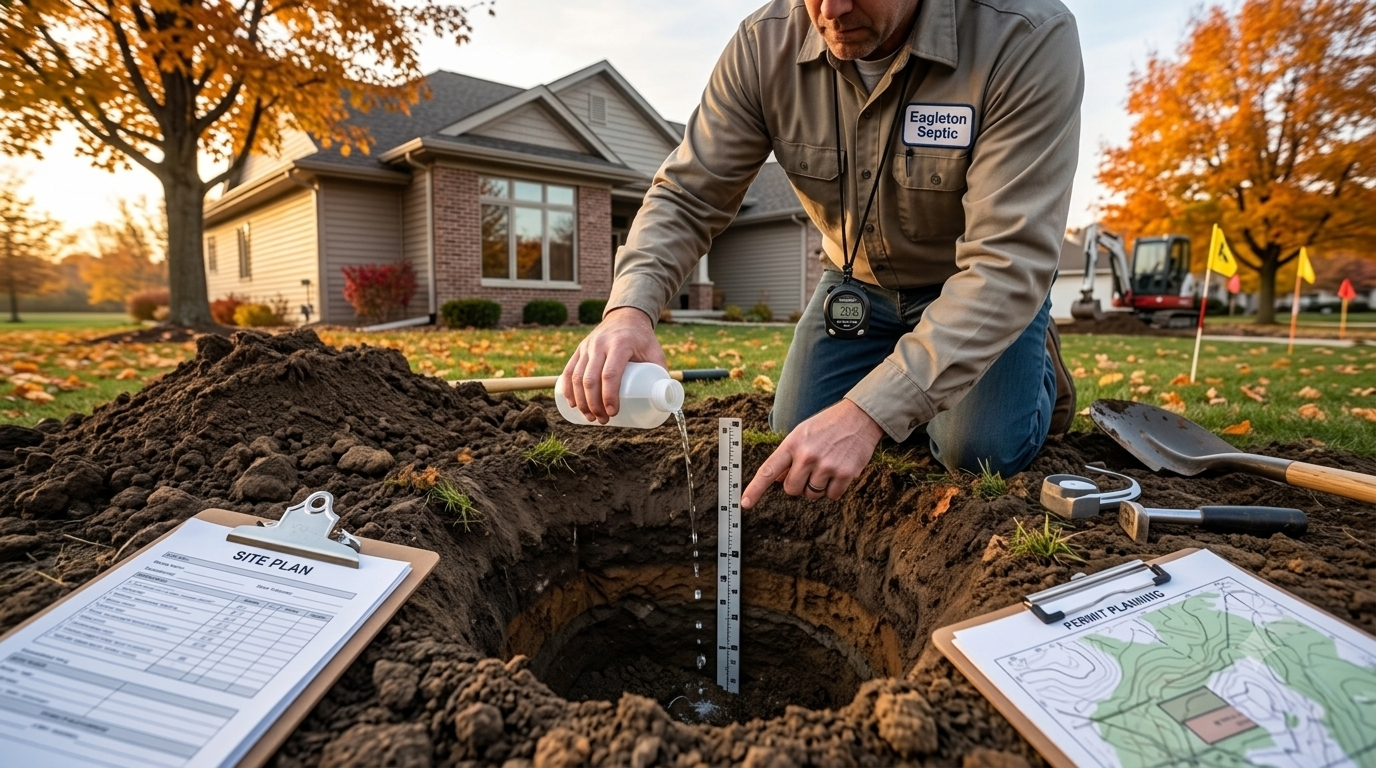
Before anyone brings in equipment, someone needs to look at your soil. In Michigan, that usually means test pits or a percolation test to see how fast water moves through the ground.
- Sandy soil drains fast.
- Clay-heavy soil, which is common in parts of Livingston and Oakland County, drains slowly.
Slow-draining soil often needs a larger drain field or a raised system. If the design is based on the wrong soil information, the system can fail early. Fixing a failed drain field later costs a lot more than getting the design right at the start.
Permits Come From the County, Not the State
Michigan does not have one statewide septic code. Each county health department sets its own rules for septic tank installation, distances from wells and property lines, and required soil separation.
A system that passes in one county might not meet code in the next county. Before any septic system installation begins, your installer needs:
- A permit from the local health department
- An approved site plan
Skipping this step, even on a small job, can lead to fines or a system that has to be dug up and redone.
The Septic Field Does the Real Work
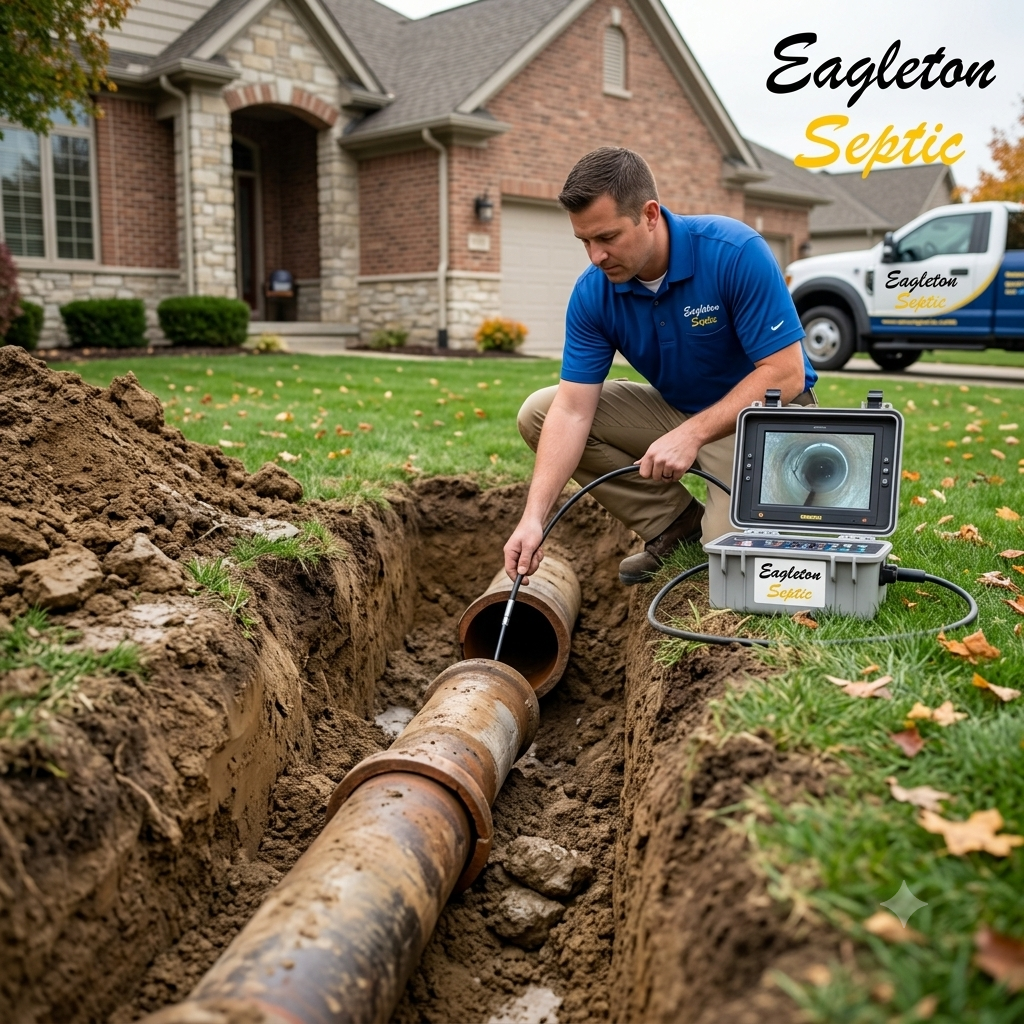
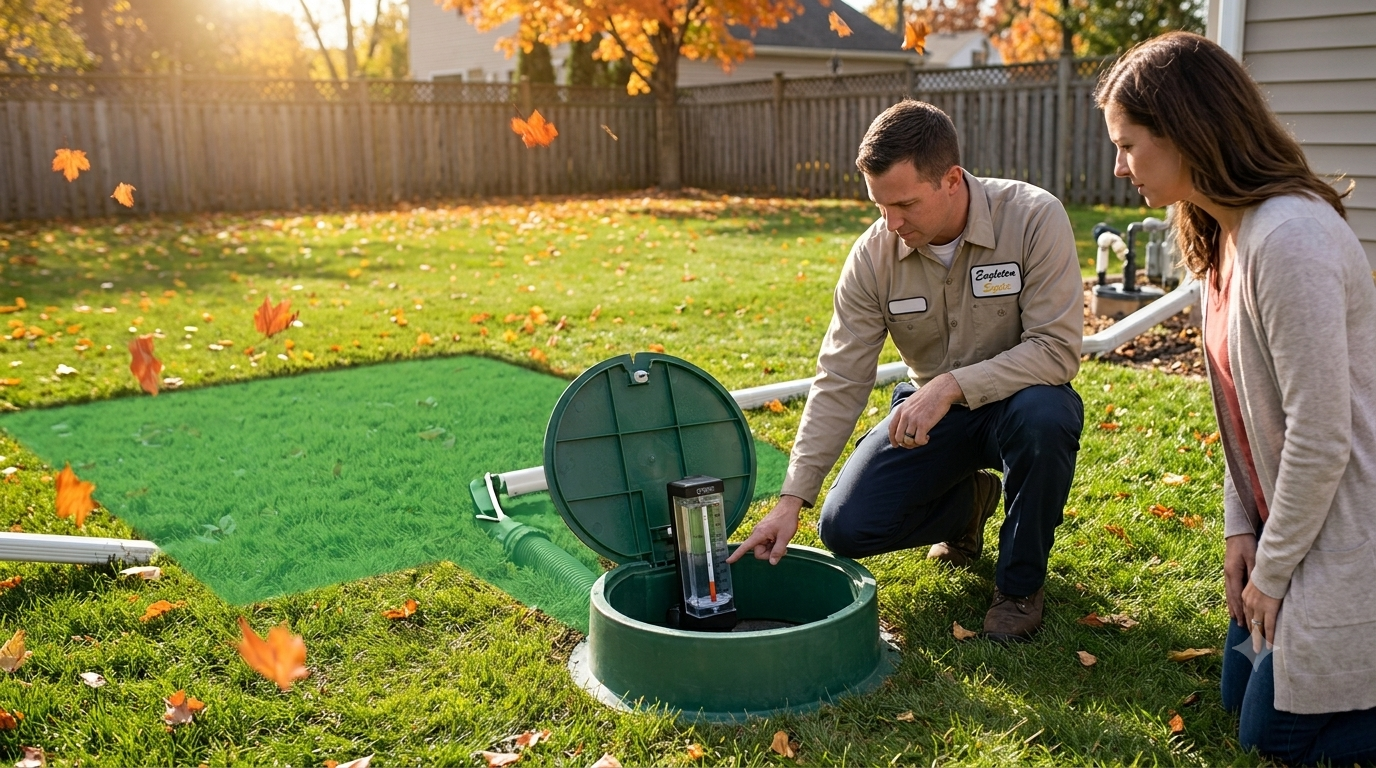
Most people focus on the tank, but the drain field (or septic field) is where the actual treatment happens. Wastewater leaves the tank after solids settle out. It then flows through perforated pipes in gravel trenches. The soil filters and treats the liquid before it reaches groundwater.
Septic field installation depends on that early soil test. Poor drainage can mean:
- Longer trenches
- More pipe
- Or a mound system built above grade
This is where cost estimates change the most. Field size can vary a lot depending on ground conditions.
What Drives the Cost
A typical septic tank installation cost estimate covers:
- The tank
- Pipe
- Gravel
- Labor
- Permit fees
What moves the number up or down is what you cannot see from the driveway:
- Rocky soil takes longer to dig.
- High groundwater can require a raised or engineered system.
- Distance from the house to the best drainage area adds pipe length.
If you are planning a septic system installation, ask for a written estimate that separates:
- Tank cost
- Excavation and field cost
That breakdown makes it easier to compare quotes in a fair way.
After Installation, Maintenance Keeps It Working
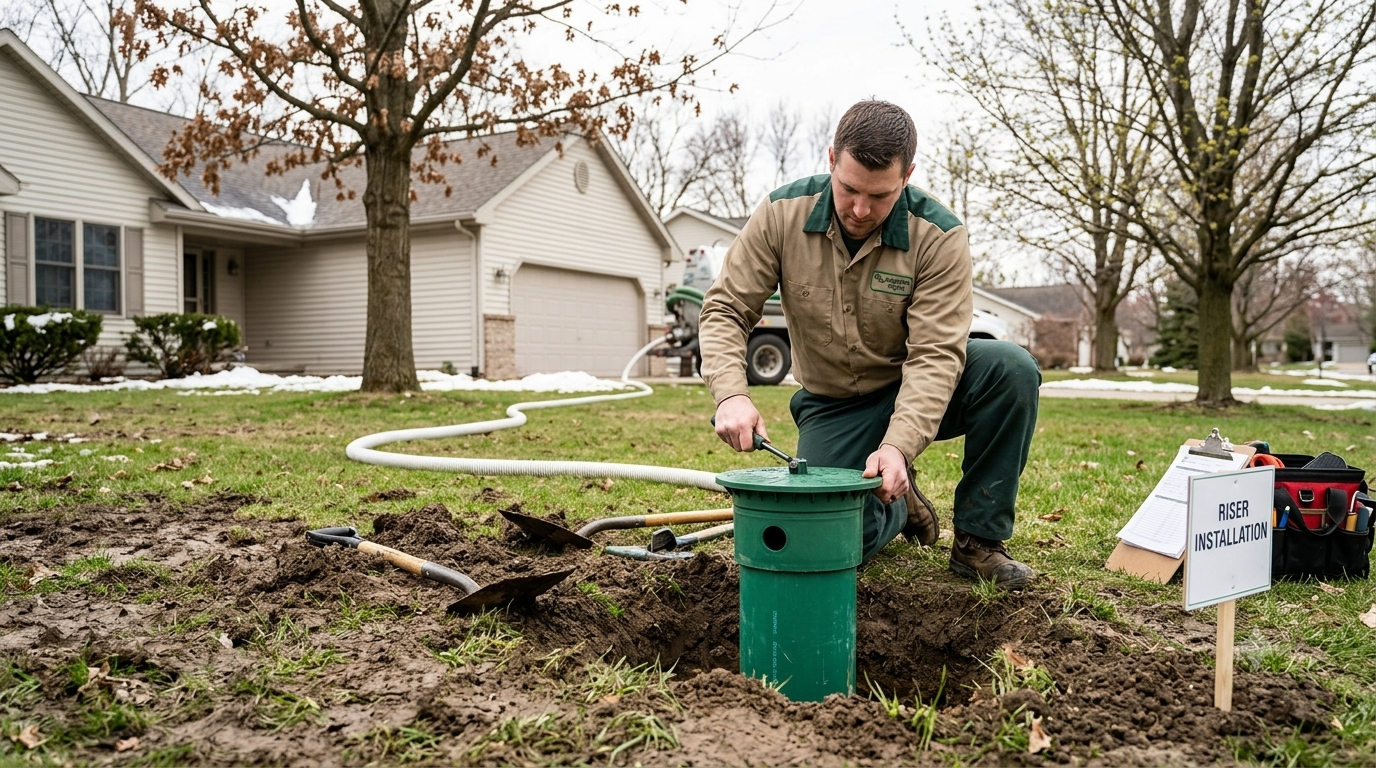
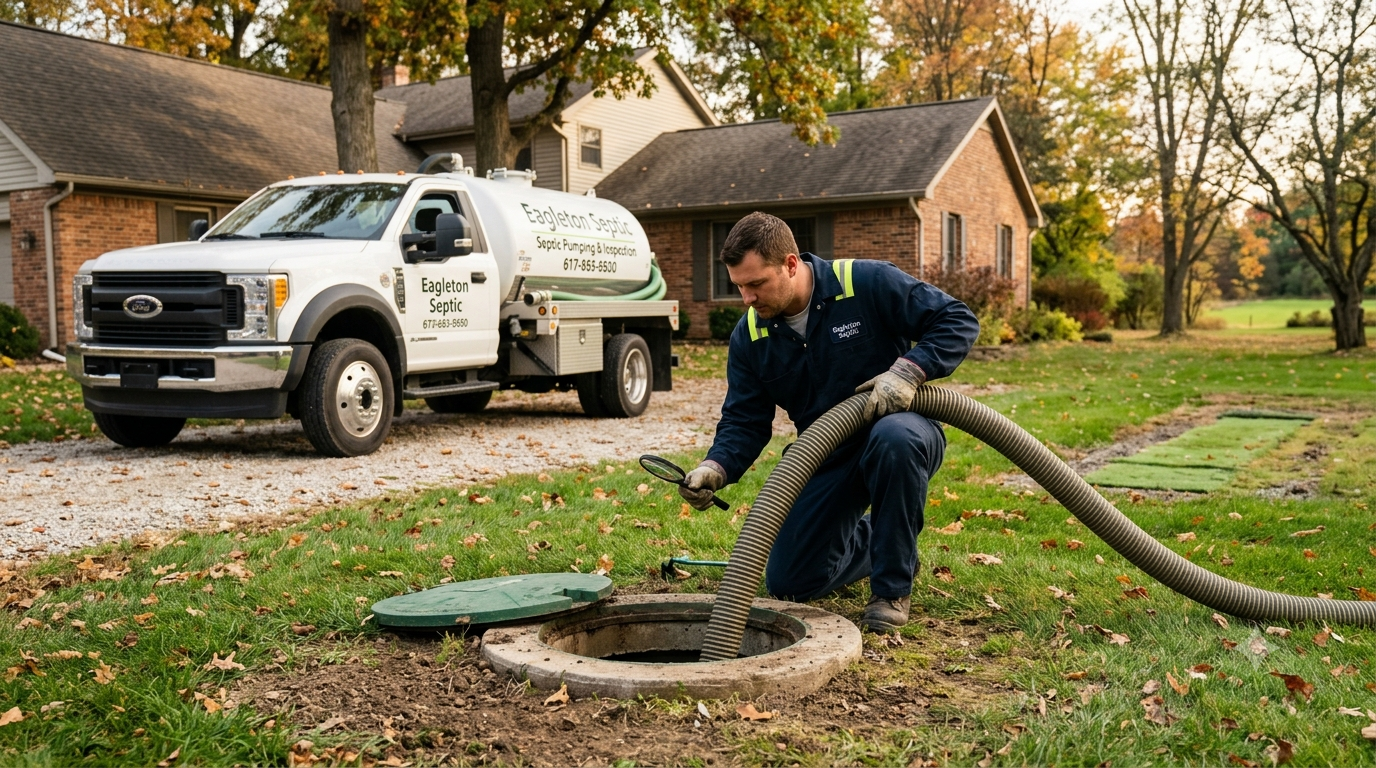
A new system still needs care. Pumping the septic tank every three to five years helps keep solids out of the drain field, where they can clog pipes and shorten the life of the whole system.
Good septic system maintenance also means watching what goes down the drains. Grease, wipes, and harsh chemicals are common reasons systems fail early.
A septic tank inspection should happen:
- At pump-outs
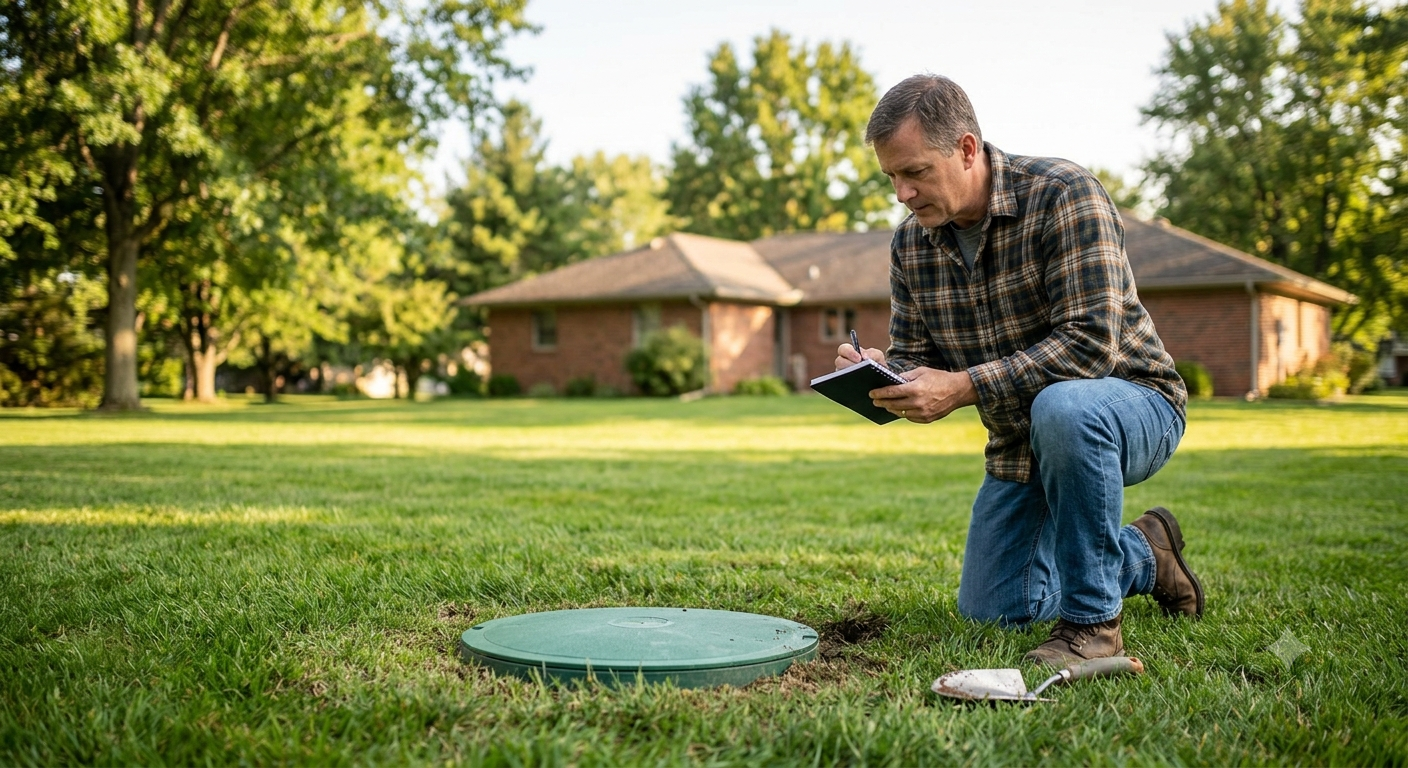
- Any time you notice slow drains, wet spots in the yard, or odors near the tank
Catching a small issue during a routine septic system inspection is much cheaper than dealing with a collapsed drain field later.
Timeline: What to Expect
Once permits are in place, most residential septic system installation projects take one to three days for the actual digging and setup. The permit process is usually the longer part. It can take one to several weeks, depending on:
- The county’s schedule
- Weather
- Whether the soil evaluation needs to be redone
Homeowners who plan their septic system installation a season ahead of time, instead of waiting for a failure, usually have more flexibility with scheduling and design.
Michigan winters add another layer. Frozen ground makes excavation harder and can push installation into spring. If you know a replacement is coming, planning ahead matters.
Choosing Who Does the Work
Licensing rules for septic tank installation vary by county. Experience with local soil conditions matters just as much as the license.
An installer who has worked around Fenton, Brighton, Howell, and the rest of Livingston County will already have a feel for:
- Which streets tend to have sandy soil
- Which areas often need a mound system
That local knowledge shows up in the design and in how smoothly the job runs.
Homeowners in this part of Michigan who want a straightforward quote and a crew that handles both installation and ongoing septic tank pumping service can start by looking at [Eagleton Septic](https://www.eagletonseptic.com) for local scheduling and site evaluations. Working with one company from installation through years of routine maintenance usually saves homeowners from juggling multiple contractors.
Highlights
- Your soil type drives the size and design more than the number of bedrooms.
- Michigan’s freeze-thaw cycle affects how deep pipes must sit.
- New builds and replacements follow different permit paths.
- Cost changes more because of soil and site conditions than tank size alone.
Final Thought
Most people do not think about their septic system until it stops working. Getting the installation right the first time, with a proper soil test, the correct permits, and a field sized for your actual ground conditions, is what keeps that “failure day” from ever showing up.

RECENT POST



GET A QUOTE
LEAVE A REPLY
Your email address will not be published. Required fields are marked *
