
Key Takeaways
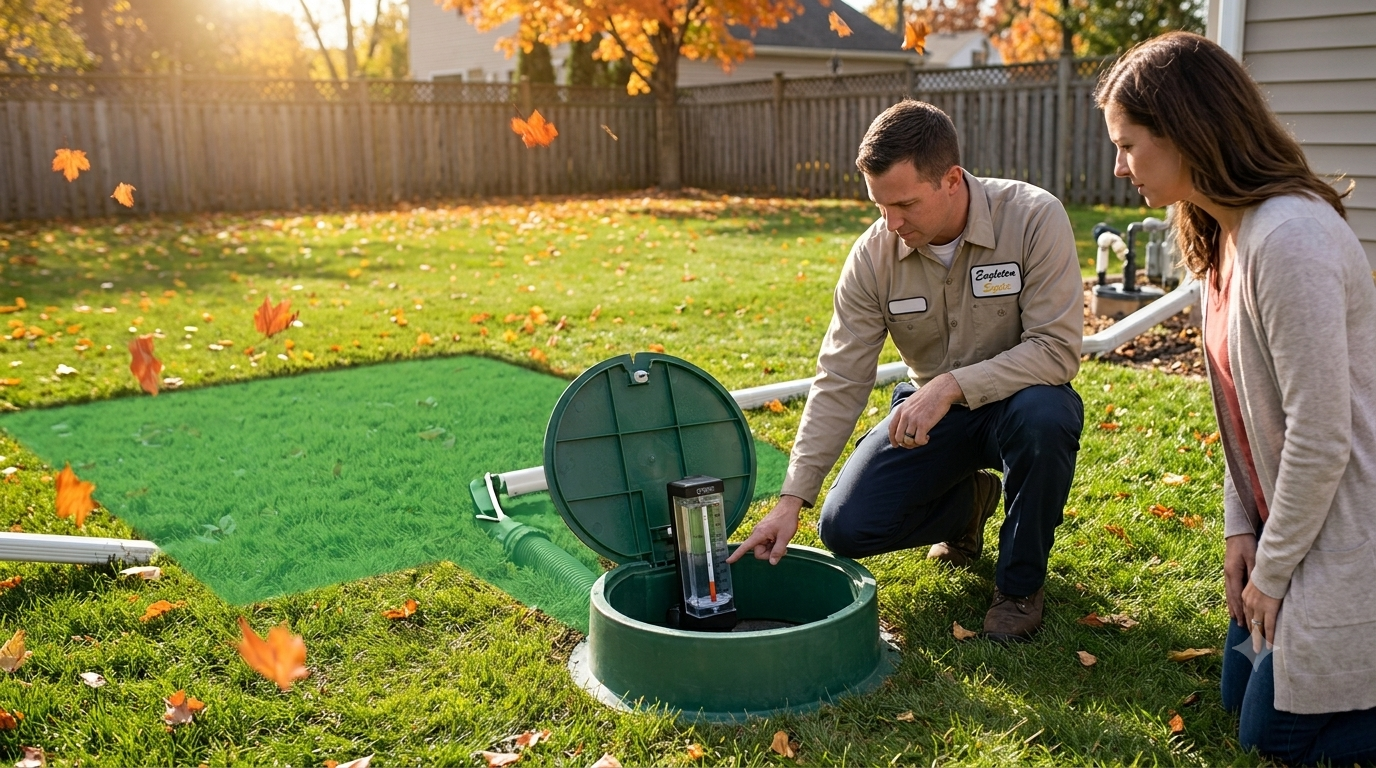
- High water use can place extra strain on a septic system.
- Small leaks, back-to-back laundry loads, and water treatment discharge can affect system performance.
- Regular septic tank inspection and pumping help identify problems before they become emergencies.
- Drain field care is just as important as septic tank cleaning.
- Eagleton Septic provides septic tank services, inspections, cleaning, and maintenance recommendations in Howell, Milford, and surrounding Michigan communities.
Why High Water Use Matters
A septic system can handle normal household wastewater, but it still has limits. Problems often start when too much water enters the system within a short time.
This can happen in a busy home with several people, frequent laundry, long showers, guests, teenagers, or a home-based business. A leaking toilet can add to the problem without making much noise. Running the dishwasher while the washing machine is operating can also send a large volume of water into the tank at once.
The wastewater still has to move through the tank and drain field. When the system receives more water than the soil can absorb, treatment may slow down. Michigan’s Department of Environment, Great Lakes, and Energy advises homeowners to keep sump pump and water softener discharges out of the septic system. It also recommends reducing water use when a system is flooded or showing signs of trouble.
High Water Use Checklist
Check for Hidden Water Waste
Start inside the house. Listen for a toilet that continues running after it is flushed. Check faucets for slow leaks and look under sinks for damp areas. A water meter can also help. Turn off every faucet and appliance, then check whether the meter continues moving.
A small leak may not seem serious, but it can send hundreds of gallons into the septic system over time. Fixing it is an important part of maintaining a septic tank.
Spread Out Laundry
Laundry is one of the easiest ways to overload a septic system. Instead of washing several loads one after another, spread them throughout the week. This gives the tank and drain field more time to handle the wastewater.
The same idea applies to showers and other high-use activities. A home does not need to stop using water. It needs to avoid sending a large amount into the system all at once.
Keep Drainage Away From the Field
Rainwater and groundwater should not be directed toward the drain field. Check downspouts, grading, sump pump discharge, and driveway drainage. If water collects over or near the field, the soil may stay too wet to treat wastewater properly.
Do not park vehicles or place heavy equipment over the drain field. Avoid building patios, sheds, or other solid surfaces in that area unless a qualified professional confirms the location and requirements.
Be Careful With What Goes Down the Drain
A septic tank and pump are not designed to handle everything that enters a household drain. Avoid flushing wipes, paper towels, diapers, dental floss, grease, paint, solvents, and household chemicals.
The EPA recommends flushing only human waste and toilet paper. It also advises homeowners to limit garbage disposal use because food waste adds more solids to the tank.
Chemical drain openers are another concern. If one sink is slow, try a plunger or drain snake before pouring a strong chemical into the plumbing. Harsh products can affect the biological activity that helps a septic system function.
Schedule a Septic Tank Inspection
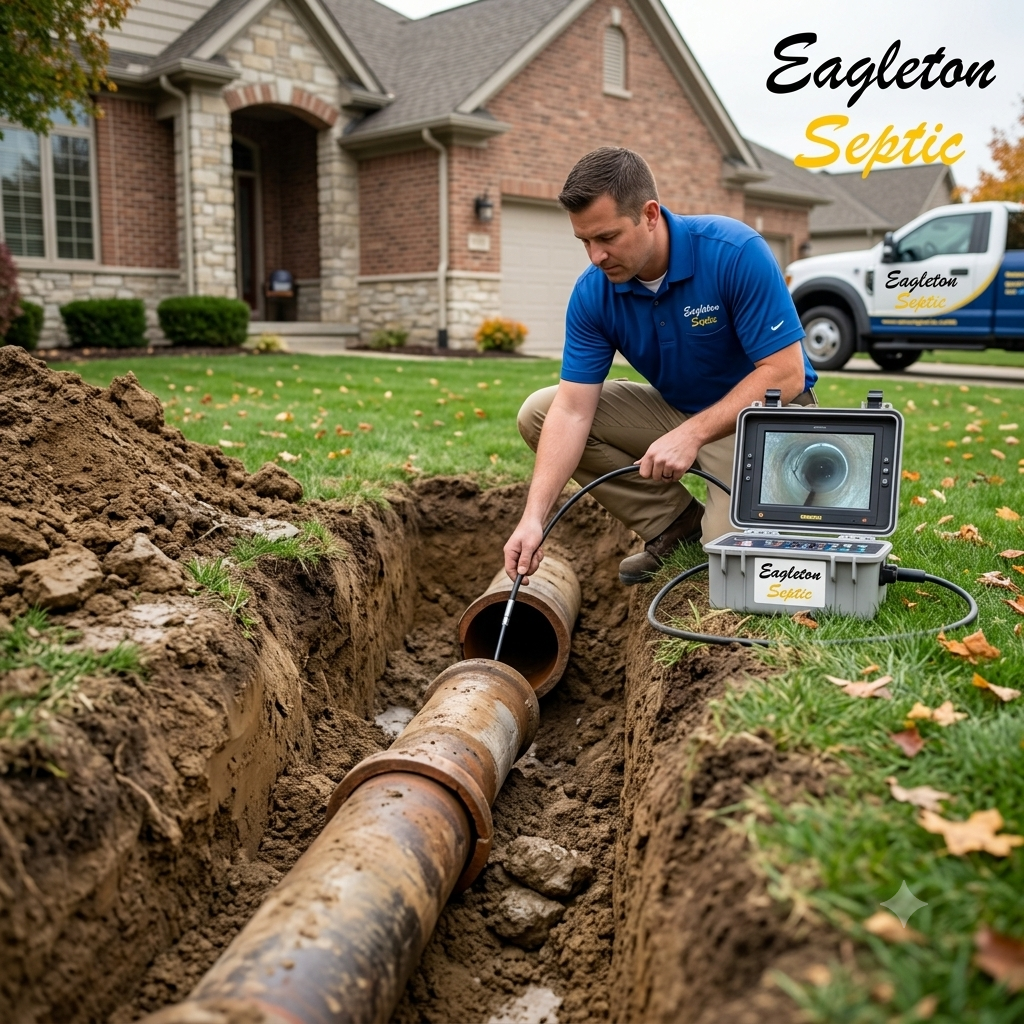
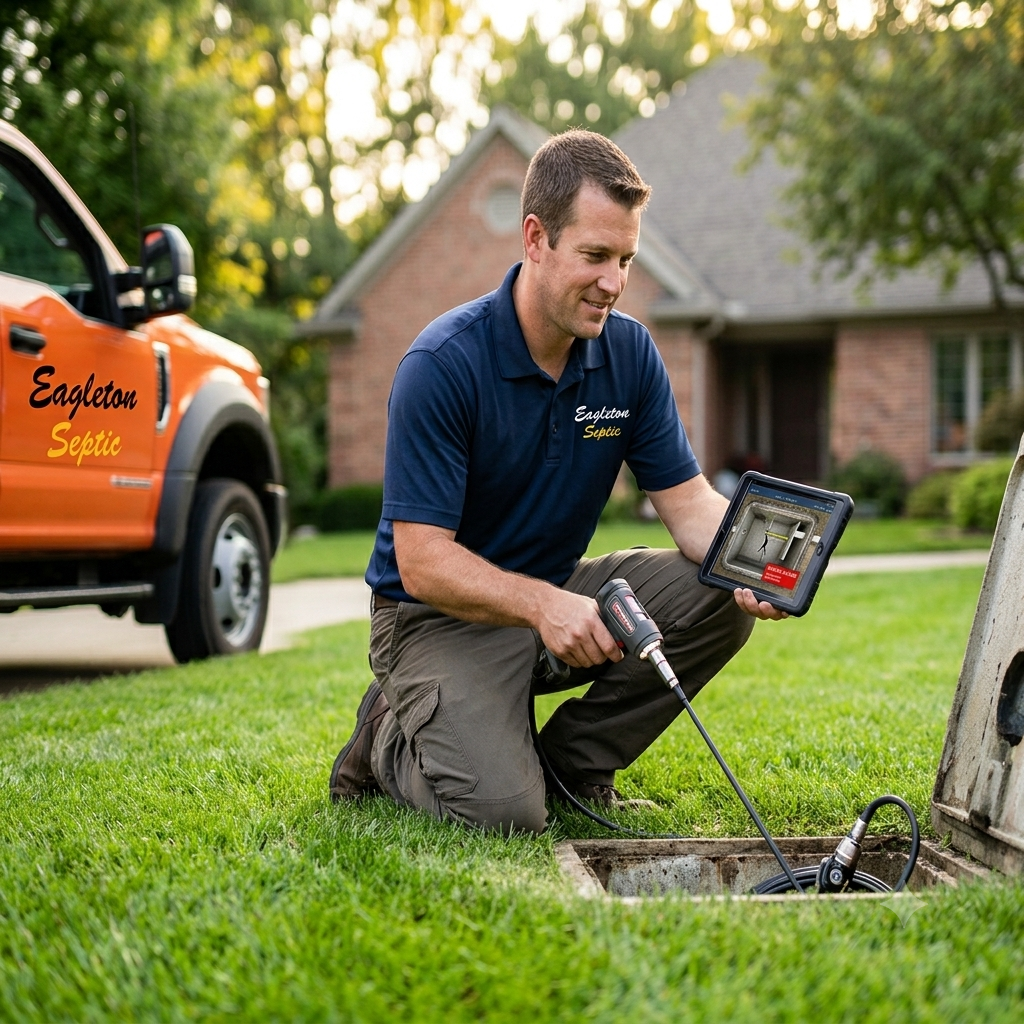
A septic tank inspection is not only for homes with obvious problems. It can help identify a full tank, damaged baffles, a blocked filter, standing water, or other conditions that may not be visible from the surface.
The EPA recommends that an average household septic system be inspected at least every three years. Tanks are commonly pumped every three to five years, although the right schedule depends on household size, tank capacity, wastewater volume, and the condition of the system.
Michigan homeowners with a pump tank or other mechanical components may need more frequent attention. Ask the service professional to explain what was checked and keep the report with your home records.
Know the Warning Signs
Call for professional advice if you notice:
- Several slow drains at the same time
- Gurgling from toilets or plumbing lines
- Sewage odors inside or outside the home
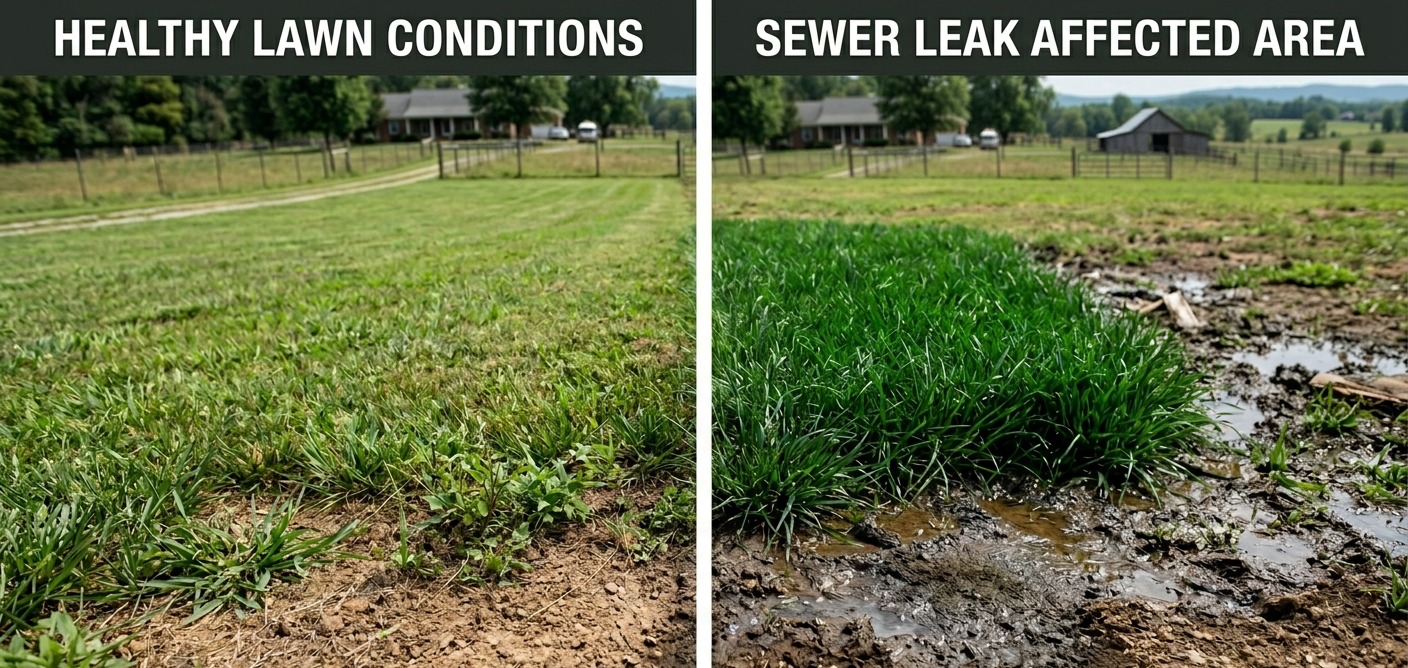
- Wet ground near the tank or drain field
- Unusually green grass over part of the field
- Standing water that does not drain
- Wastewater backing up into a fixture
These symptoms do not always mean the tank needs pumping. A blocked line, damaged component, saturated soil, or failing drain field can create similar problems. That is why a proper inspection for septic tank concerns is more useful than guessing.
What Professional Service Should Include
A complete service should be clearly explained before work begins. Eagleton Septic states that its service includes a complete system empty, wall rinse, and inspection without surprise upcharges. Its Howell location also describes inspections and maintenance recommendations as part of its septic tank services.
For homeowners searching for septic tank cleaning services in Howell, septic tank cleaning in Milford, or septic pumping in nearby Michigan communities, it is worth asking what the visit includes. Will the technician inspect the tank after pumping? Will the effluent filter be checked if the system has one? Will you receive recommendations for future maintenance?
Those questions help you compare service properly.
Working With Eagleton Septic
Homes in Howell, Milford, White Lake, Brighton, and nearby areas can have different layouts, soil conditions, tank locations, and drainage concerns. Eagleton Septic serves homeowners throughout Livingston, Oakland, and Genesee Counties and provides septic tank cleaning, pumping, inspections, and maintenance-related services.
You can visit Eagleton Septic for septic system maintenance and cleaning services to review its service information or contact the company about your property.
Highlights
- Spread out heavy water use instead of sending large amounts into the system at once.
- Keep sump pump and roof drainage away from the drain field.
- Do not rely on chemical cleaners or additives to solve septic problems.
- Watch for slow drains, odors, wet spots, and standing water.
- Keep a record of septic tank cleaning and septic system inspection visits.
Final Checklist
Before you finish, make sure you have:
- Repaired leaking toilets and faucets.
- Spread out laundry and other heavy water use.
- Kept sump pump and roof drainage away from the drain field.
- Avoided flushing unsuitable items.
- Recorded the last septic tank pumping visit.
- Scheduled a septic tank inspection when the service history is unclear.
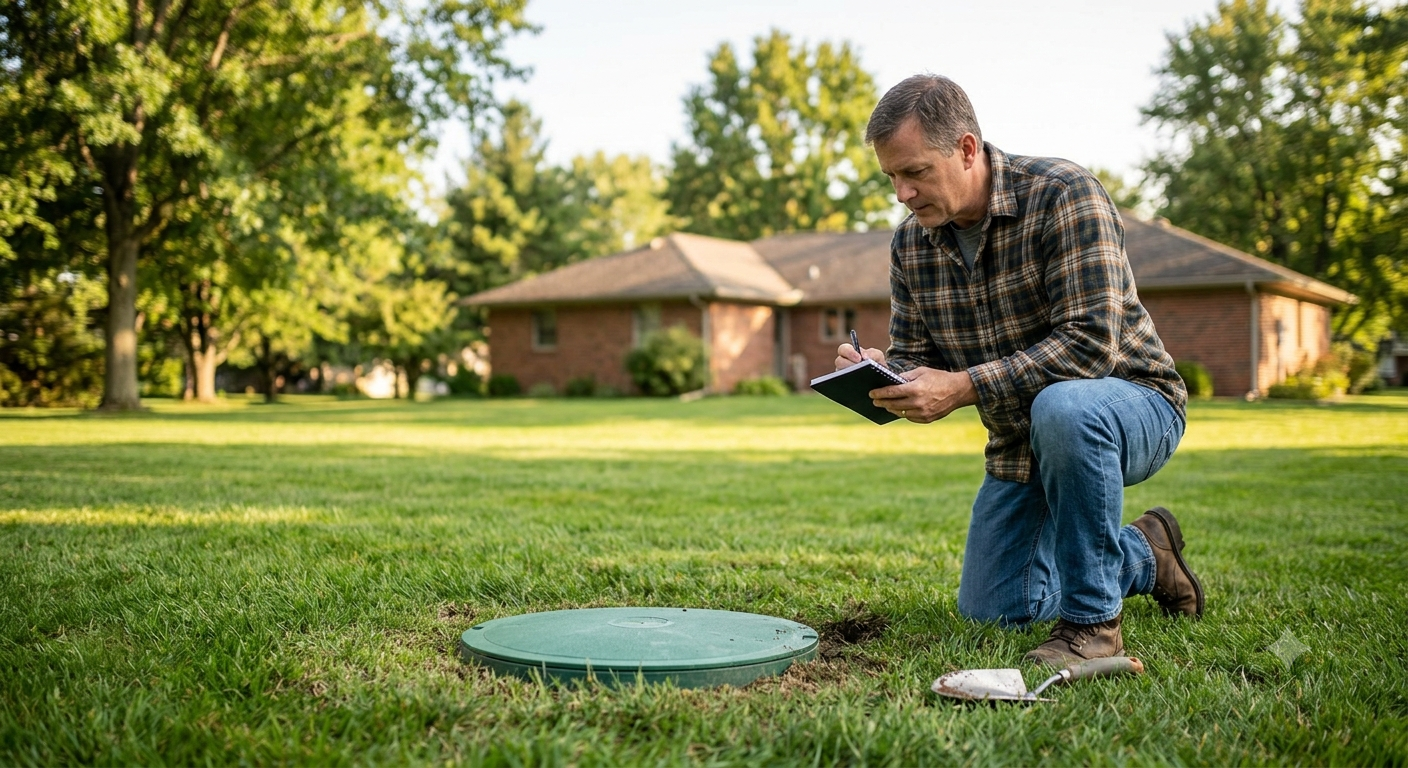
- Marked the tank and drain field locations on your property records.
High water use does not automatically mean a septic system will fail. It does mean the system deserves closer attention. A practical septic system maintenance routine can help you catch problems earlier and make informed decisions about cleaning, pumping, or repair.

RECENT POST

GET A QUOTE
LEAVE A REPLY
Your email address will not be published. Required fields are marked *
